 Rattan-Java
Journal
Black Rattan Garden Chairs: Style & Durability Guide
October 4, 2026 · 5 min read
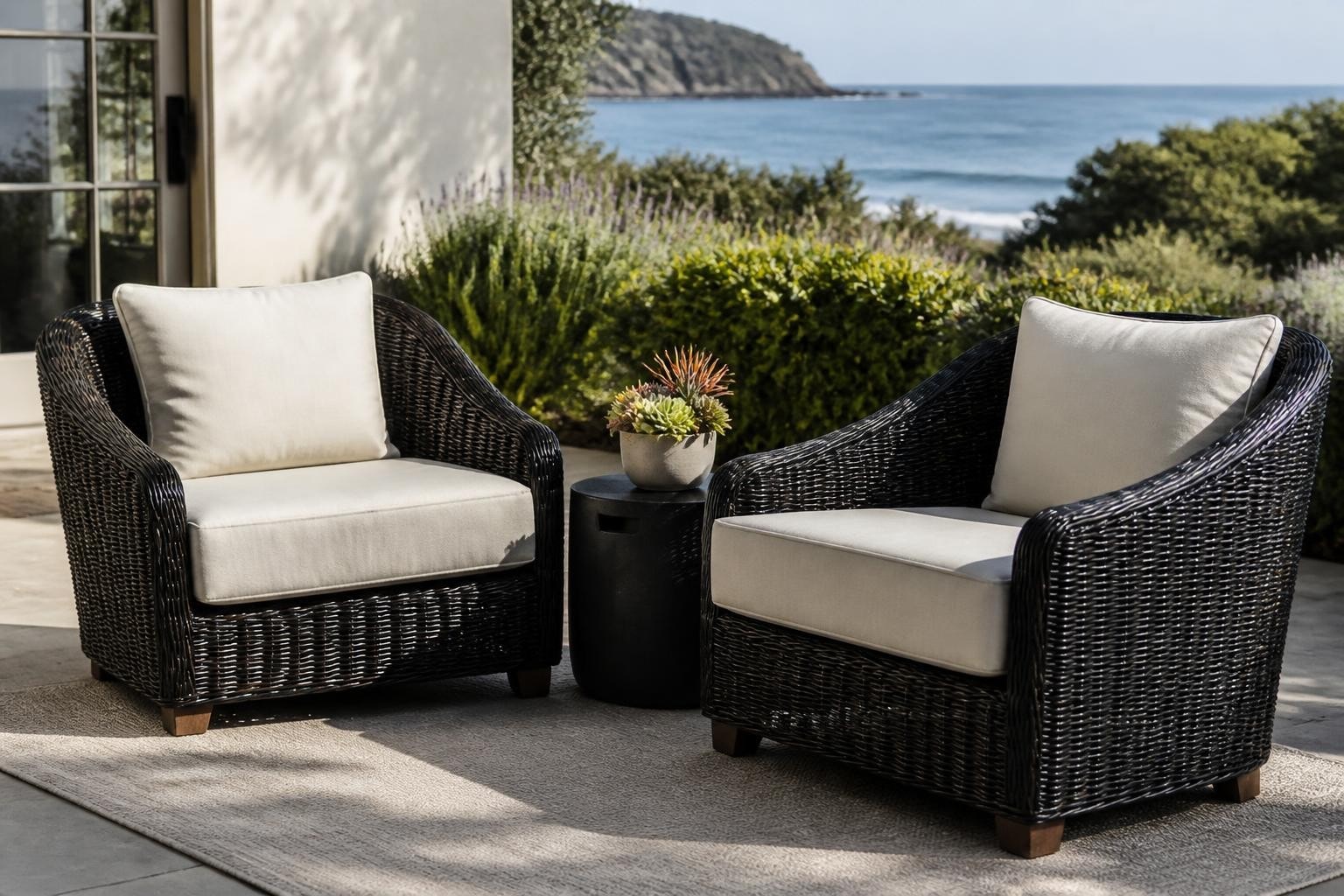
Black rattan garden chairs have emerged as a defining element in contemporary outdoor design, bridging the gap between classic craftsmanship and modern aesthetics. The rich, dark finish provides a sophisticated foundation that complements virtually any exterior color palette, from whitewashed coastal homes to vibrant tropical gardens. When choosing seating for outdoor spaces, understanding the distinction between natural and synthetic materials becomes essential for making an informed investment.
Understanding Natural vs. Synthetic Black Rattan
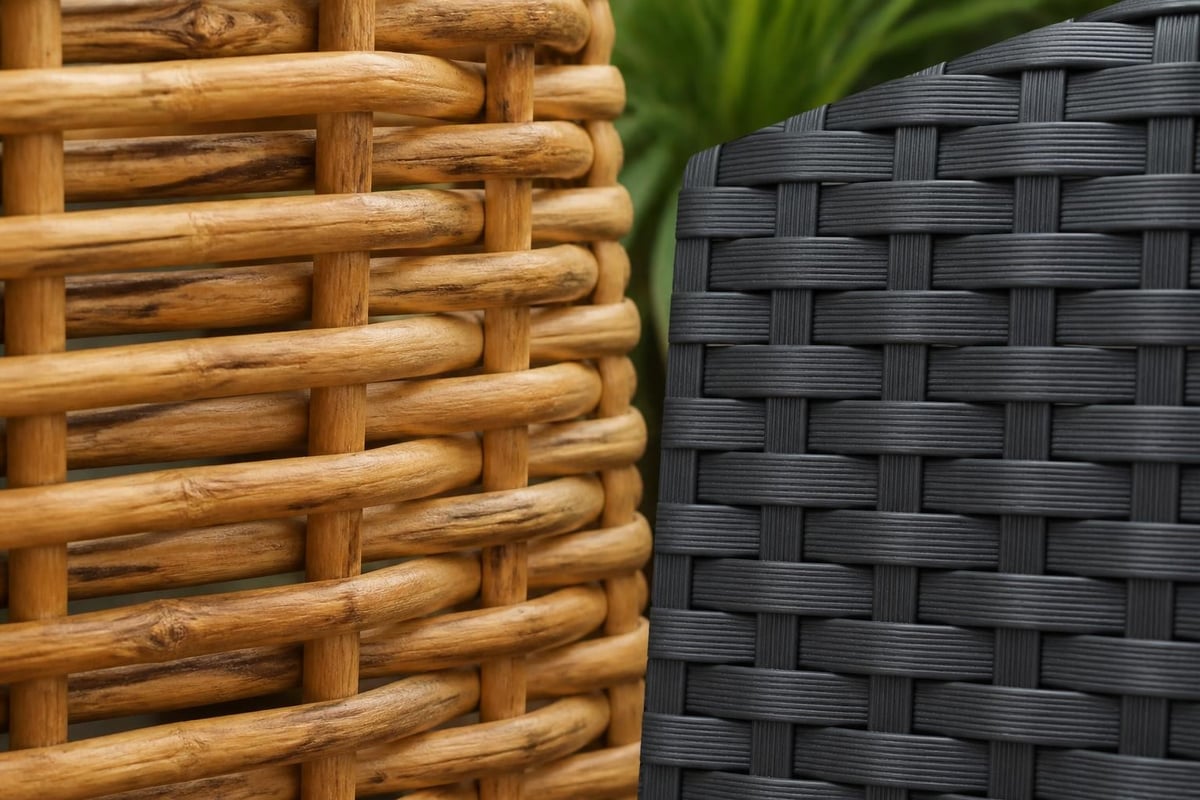
The term "rattan" encompasses two distinct material categories, each with unique characteristics. Natural rattan derives from climbing palm species found primarily in Southeast Asian rainforests, particularly Indonesia, where sustainable harvesting practices ensure long-term forest health. This material accepts stain and finish beautifully, allowing artisans to achieve deep black tones while preserving the organic texture.
Synthetic alternatives, often called PE (polyethylene) rattan, mimic natural fibers through extruded polymer strands. According to research on UV effects on polymer materials, high-quality synthetic rattan incorporates UV stabilizers that prevent color fading and material degradation. The choice between these materials depends on climate exposure, maintenance preferences, and aesthetic priorities.
Material Characteristics Comparison
| Feature | Natural Rattan | Synthetic Rattan |
|---|---|---|
| Durability | 5-10 years with care | 10-15 years outdoor |
| UV Resistance | Requires treatment | Built-in stabilizers |
| Maintenance | Regular sealing needed | Low maintenance |
| Aesthetic | Organic texture | Uniform appearance |
| Sustainability | Renewable resource | Recyclable plastic |
Natural black rattan garden chairs showcase the handwoven expertise that Indonesian artisans have refined across generations. Each piece carries subtle variations in weave pattern and finish depth, characteristics impossible to replicate through mechanical production. For projects prioritizing authenticity and supporting traditional craft, natural rattan remains unmatched.
Design Versatility in Outdoor Settings
Black serves as a neutral anchor that allows surrounding elements to shine. This color choice proves particularly effective when coordinating with:
- Cushions and textiles: Bright patterns pop against dark frames
- Natural wood tables: Creates visual contrast and definition
- Metal accents: Harmonizes with wrought iron or aluminum
- Stone surfaces: Complements granite, slate, and concrete
- Greenery: Provides backdrop for plants and landscaping
The monochromatic palette simplifies seasonal decoration updates. Spring pastels, summer brights, autumn earth tones, and winter whites all coordinate effortlessly with black rattan garden chairs, eliminating the need to replace core furniture when refreshing outdoor aesthetics.
Contemporary hospitality designers frequently specify black rattan for hotel projects precisely because the finish conceals minor wear while maintaining visual impact. This practical consideration extends to residential applications where high-traffic outdoor areas benefit from forgiving surface treatments.
Quality Indicators and Construction Standards
Evaluating chair quality requires examining several technical aspects beyond surface appearance. The European standard BS EN 581 establishes performance requirements for outdoor furniture, including load capacity, stability, and durability testing protocols that reputable manufacturers follow.
Critical Quality Checkpoints
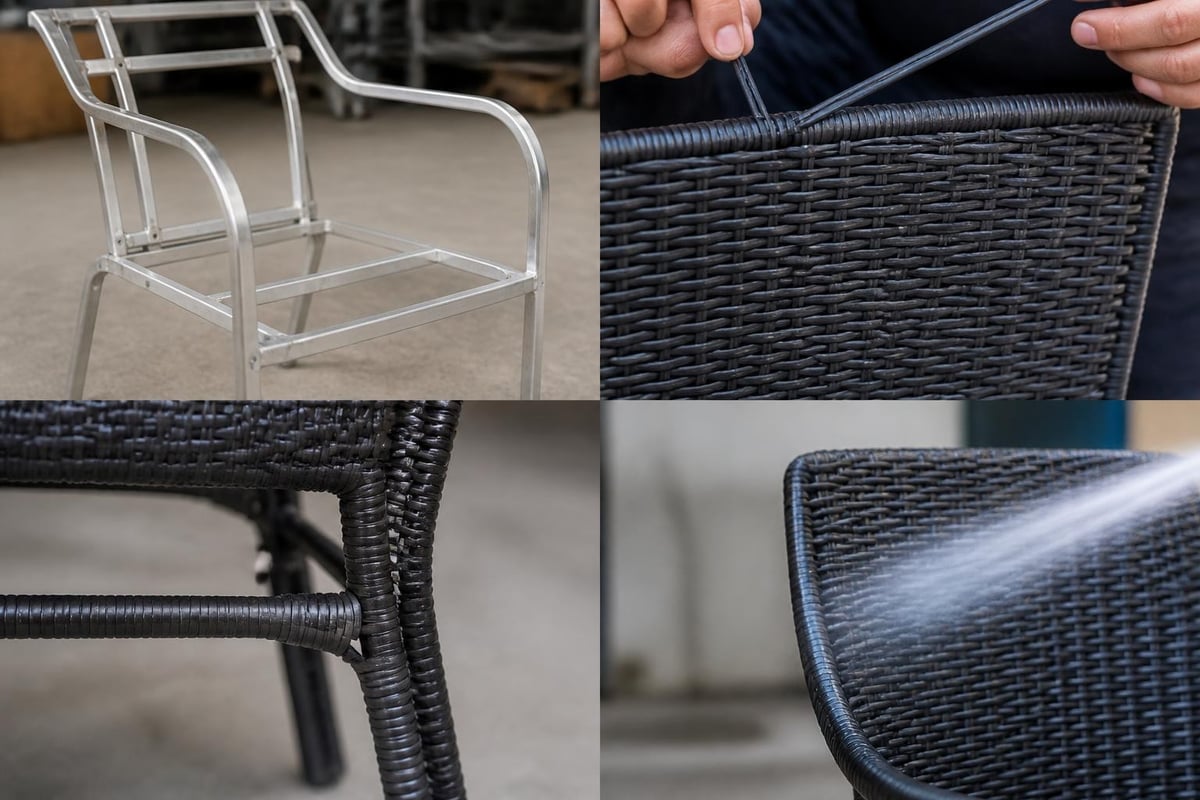
Frame construction determines long-term stability. Premium black rattan garden chairs feature powder-coated aluminum or stainless steel frames that resist corrosion in coastal environments. Joints should demonstrate reinforcement through welding or mechanical fasteners rather than simple adhesive bonding.
Weave density affects both comfort and longevity. Tighter weaving patterns distribute weight more evenly and resist sagging under regular use. Rattan furniture manufacturers who specialize in handwoven construction can achieve intricate patterns that machine production cannot match.
Finish application protects underlying materials. Natural rattan requires multiple coats of weather-resistant sealant to achieve deep black coloration while maintaining breathability. Synthetic versions should show consistent color throughout the strand depth, preventing white core exposure if surface scratches occur.
When sourcing black rattan garden chairs for commercial applications or large residential projects, working directly with a wholesale rattan furniture supplier often provides access to customization options and volume pricing unavailable through retail channels.
Maintenance Requirements and Longevity
Proper care extends furniture lifespan significantly, regardless of material type. Natural rattan demands more attention but rewards owners with developing patina and character. The Ideal Home buying guide emphasizes protection from prolonged moisture exposure as the primary concern for natural fibers.
Cleaning protocols vary by material:
- Weekly: Remove loose debris with soft brush
- Monthly: Wipe with damp cloth and mild soap solution
- Seasonally: Apply protective treatment (natural rattan only)
- Annually: Inspect joints and repair minor damage
Synthetic black rattan garden chairs tolerate pressure washing on low settings, while natural versions require gentler hand cleaning to prevent fiber damage. Storage during extreme weather extends life expectancy for both material types, though high-quality synthetic pieces withstand year-round outdoor placement in most climates.
For businesses seeking custom rattan furniture solutions, specifying maintenance requirements during the design phase ensures the final product aligns with operational capabilities and staff resources.
Pairing Chairs with Complementary Furniture
Creating cohesive outdoor environments involves thoughtful coordination across furniture categories. Black rattan garden chairs pair exceptionally well with rattan tables in matching or contrasting finishes. A natural honey-toned table surrounded by black chairs creates dimension while maintaining material consistency.
Complete set considerations include:
- Dining height vs. lounge height proportions
- Armchair vs. side chair distribution
- Stackability for seasonal storage
- Weight capacity for varied users
- Cushion attachment systems
Many retailers and interior designers specify mixed material sets, combining black rattan seating with teak or aluminum tables. This approach introduces textural variety while keeping the overall palette cohesive through the shared black element.
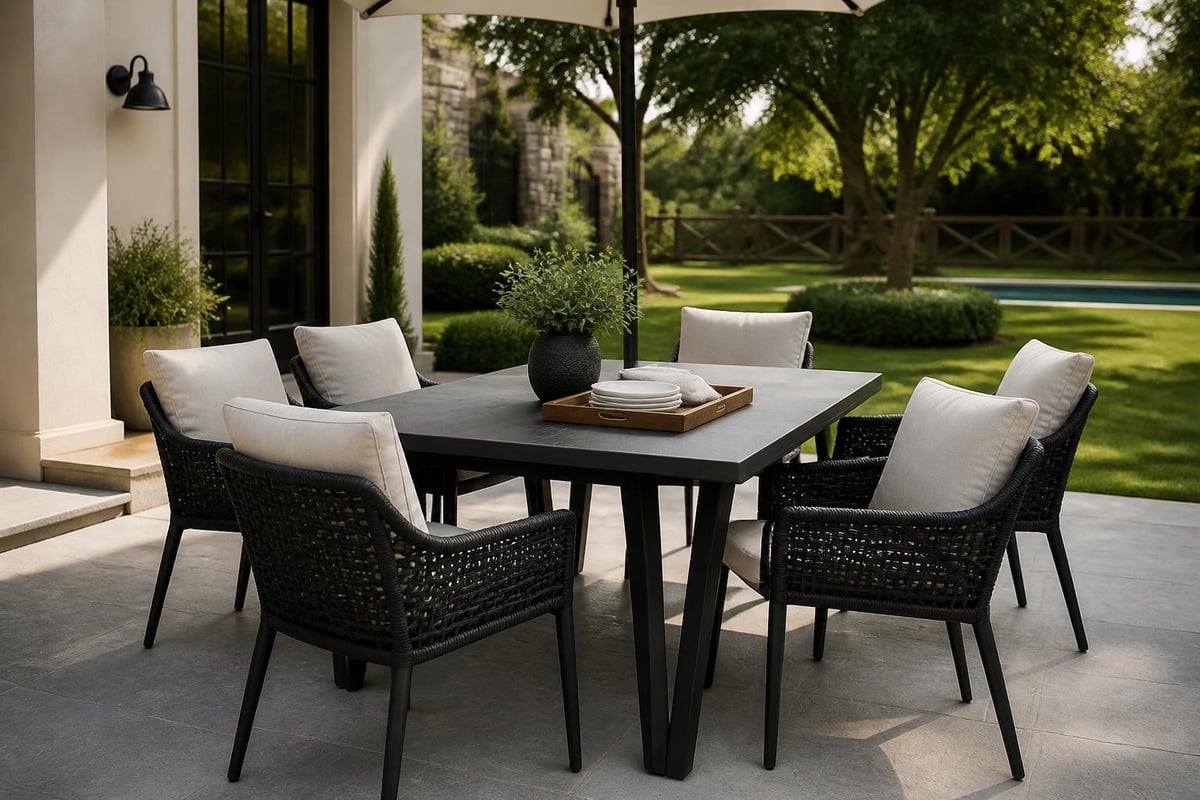
The chair and table sets collection showcases how Javanese artisans integrate traditional weaving techniques with contemporary design preferences, creating pieces that function beautifully in both residential and commercial settings.

Environmental Considerations and Sustainability
Rattan cultivation supports forest conservation through providing economic alternatives to logging. As a fast-growing climbing palm, rattan reaches harvest maturity in 5-7 years compared to hardwood timber requiring decades. Sustainable rattan furniture manufacturers contribute to maintaining biodiversity in tropical ecosystems while supporting artisan communities.
Black finishes typically utilize water-based stains and low-VOC sealants that minimize environmental impact during production. Manufacturers committed to sustainability implement waste reduction programs, with offcuts repurposed for smaller products or biomass energy generation.
End-of-life disposal differs significantly between materials. Natural rattan biodegrades completely, while synthetic versions require recycling programs to prevent landfill accumulation. When selecting black rattan garden chairs, questioning manufacturers about material sourcing and disposal options reveals their genuine commitment to environmental stewardship.
Black rattan garden chairs represent an investment in both aesthetic appeal and functional durability, whether crafted from natural fibers or advanced synthetic materials. Understanding construction quality, maintenance requirements, and design versatility ensures your selection performs beautifully for years while complementing your outdoor environment. Rattan-Java combines generations of Javanese weaving expertise with sustainable harvesting practices to create handcrafted furniture that brings authentic Indonesian craftsmanship to gardens, patios, and commercial spaces worldwide.
Looking for handwoven rattan furniture?
Explore our collections or reach out for wholesale catalog and pricing details.
Continue Reading