 Rattan-Java
Journal
Handmade Rattan Furniture Indonesia: Artisan Craftsmanship
September 10, 2026 · 5 min read
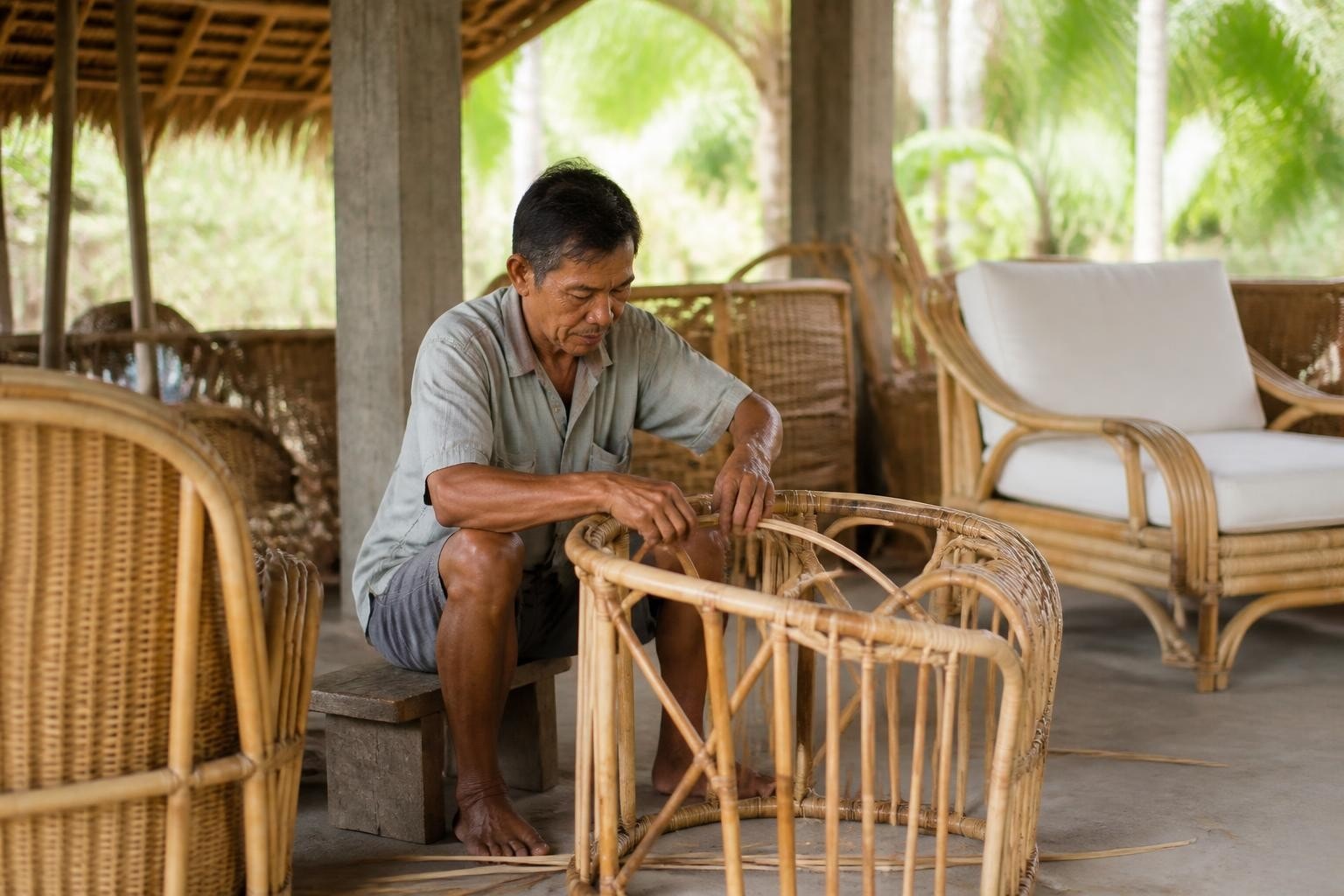
Indonesia has earned global recognition as the premier source for authentic, sustainably crafted rattan furniture. The archipelago's tropical climate, abundant rattan resources, and centuries-old artisan traditions create the perfect ecosystem for producing exceptional pieces that combine durability with timeless design. When businesses and homeowners seek furniture that balances environmental responsibility with superior craftsmanship, handmade rattan furniture Indonesia consistently delivers unmatched value.
The Indonesian Rattan Advantage
Indonesia controls approximately 80% of the world's rattan supply, making it the undisputed leader in both raw materials and finished products. The country's diverse rattan species and sustainable harvesting practices provide manufacturers with premium materials that cannot be replicated elsewhere.
Superior Raw Materials
The Indonesian archipelago hosts over 600 rattan species, with Java, Kalimantan, and Sulawesi serving as primary production centers. These regions offer:
- Optimal growing conditions with consistent humidity and temperature
- Naturally strong fibers that resist cracking and splitting
- Variety in diameter and flexibility for different furniture applications
- Sustainable forest management supporting long-term availability

The government's sustainable rattan harvesting initiatives ensure that communities can harvest materials without depleting natural forests. This commitment to environmental stewardship has positioned Indonesia as a responsible supplier in an increasingly eco-conscious global market.
Generational Artisan Expertise
What truly distinguishes handmade rattan furniture Indonesia from mass-produced alternatives is the depth of traditional knowledge passed down through generations of Javanese craftspeople. These artisans have perfected techniques over centuries, creating furniture that machines simply cannot replicate.
Traditional Weaving Techniques
Master weavers employ multiple specialized methods:
| Technique | Application | Skill Level | Typical Products |
|---|---|---|---|
| Coil weaving | Structural frames | Advanced | Chairs, table bases |
| Twill patterns | Decorative surfaces | Intermediate | Panels, mirror frames |
| Stake and strand | Basket construction | Beginner to Advanced | Hampers, storage |
| Japanese basketry | Fine detail work | Master level | Lamp shades, accessories |
Each piece requires hands-on manipulation of the rattan to achieve proper tension, symmetry, and structural integrity. This tactile approach produces furniture with character and durability that automated processes cannot match.
The artisan communities in Java have developed specialized expertise for different product categories. Workshops focusing on seating prioritize ergonomic curves and weight distribution, while those crafting lamp shades emphasize light diffusion patterns and decorative weaving.
Quality Control and Export Standards
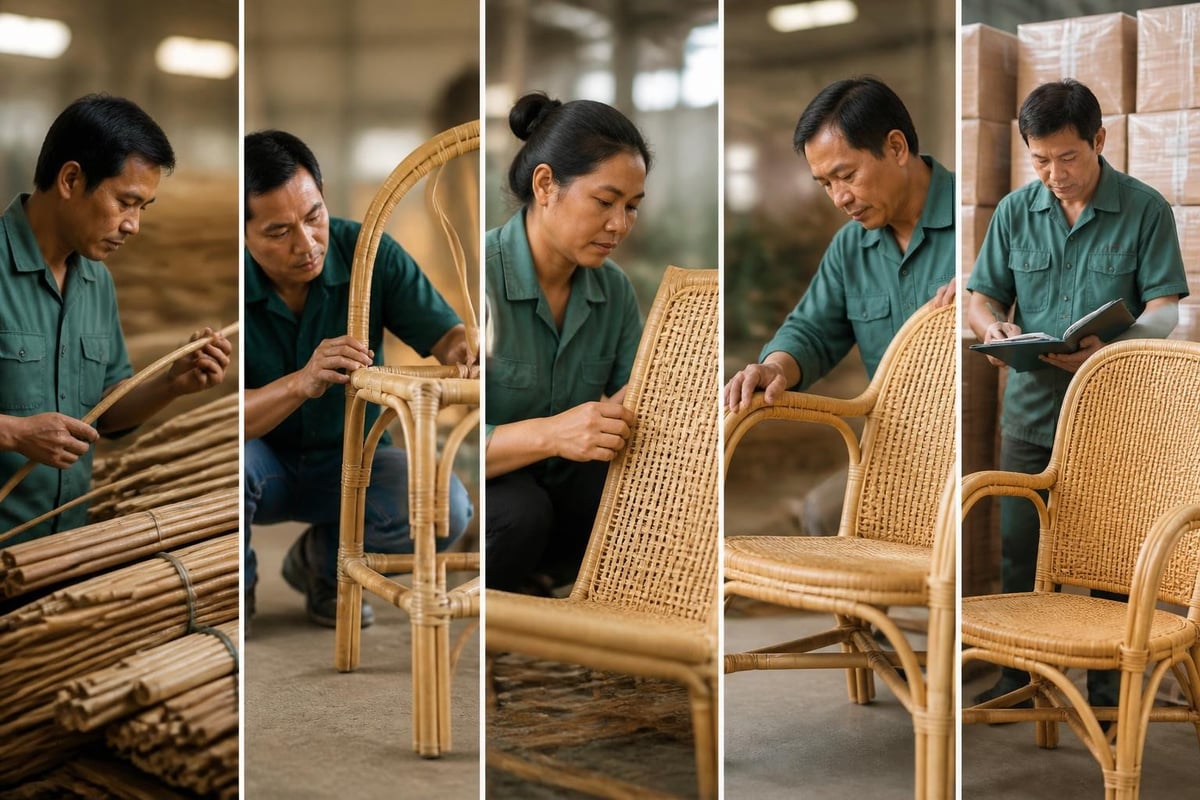
Indonesian manufacturers have invested heavily in meeting international quality benchmarks. The handmade rattan furniture Indonesia exports today undergoes rigorous inspection processes that ensure consistency across shipments.
Manufacturing Excellence
Material selection begins the quality journey. Artisans choose rattan poles based on diameter consistency, color uniformity, and absence of defects. Only materials meeting strict criteria advance to production.
Construction standards follow established protocols:
- Steaming and bending at controlled temperatures to prevent cracking
- Framework assembly with reinforced joints and proper bracing
- Weaving application maintaining consistent tension throughout
- Finishing treatments including sanding, staining, and protective coatings
- Final inspection checking dimensions, stability, and aesthetic quality
For businesses seeking complete furniture sets, this systematic approach guarantees that all pieces in an order maintain uniform appearance and construction quality.
Market Position and Trade Dynamics
Indonesia's dominance in the rattan furniture sector extends beyond raw material access. The country's export volumes and trade partnerships demonstrate sustained global demand for its products.
Export Market Breakdown
The United States, European Union, and Australia represent the largest markets for handmade rattan furniture Indonesia produces. These regions value the combination of sustainable sourcing, artisan craftsmanship, and competitive pricing that Indonesian manufacturers offer.
Recent policy developments have encouraged downstream processing within Indonesia, meaning more furniture is finished and value-added domestically rather than exporting raw materials. This shift benefits artisan communities by creating higher-paying jobs and preserving traditional skills.
| Market Region | Primary Products | Growth Trend 2024-2026 |
|---|---|---|
| North America | Dining sets, outdoor furniture | +12% annually |
| European Union | Home décor, accent pieces | +15% annually |
| Australia/NZ | Patio furniture, storage | +9% annually |
| Middle East | Luxury custom pieces | +18% annually |
Sustainability Credentials
Environmental consciousness drives purchasing decisions across all major markets. Handmade rattan furniture Indonesia aligns perfectly with this trend through inherent sustainability advantages.
Carbon sequestration occurs throughout the rattan lifecycle. Unlike hardwood trees that require decades to mature, rattan reaches harvest maturity in 5-7 years while continuously absorbing CO2.
Forest preservation benefits from rattan cultivation. Communities that depend on rattan harvesting have strong incentives to protect forest ecosystems. The Teluk Sumbang sustainable rattan initiative demonstrates how market linkages support conservation efforts.
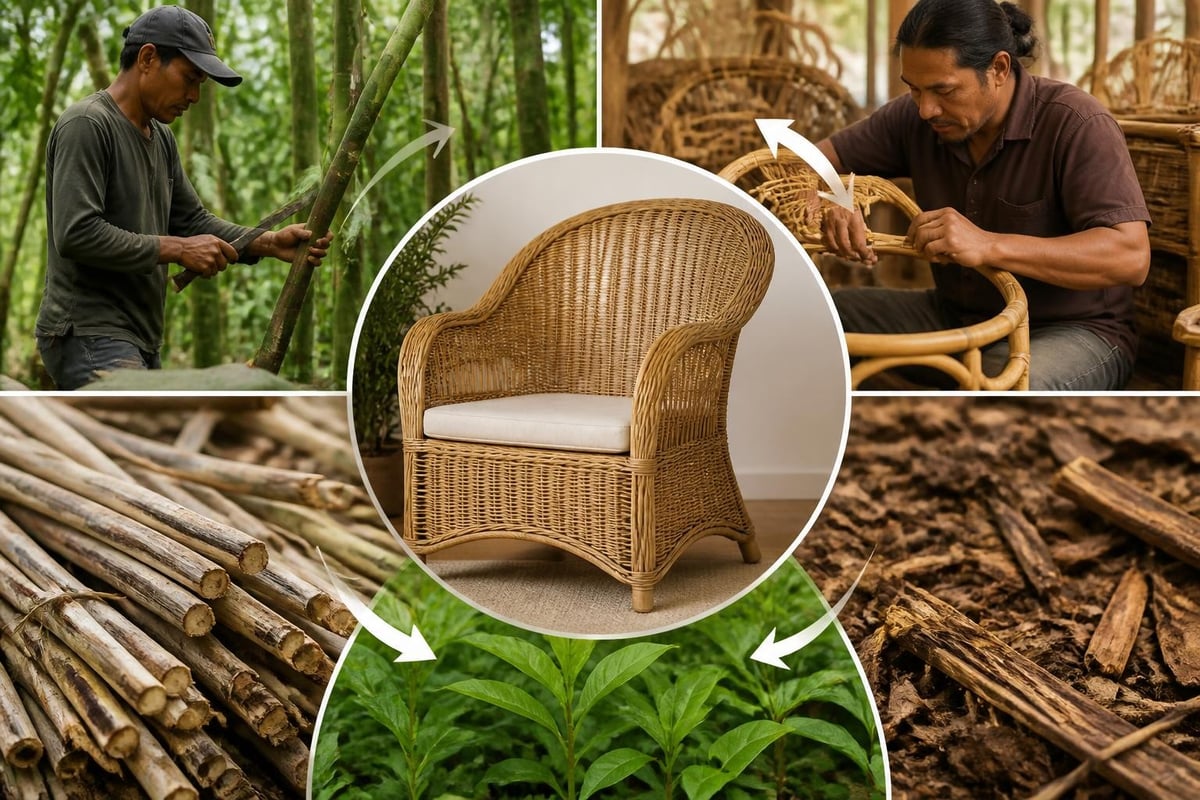
Chemical-free processing characterizes traditional methods. Many artisans use water-based stains and natural oils rather than synthetic finishes, reducing environmental impact while maintaining product safety.
Addressing Industry Challenges
Despite its strengths, the sector faces ongoing challenges that manufacturers and exporters actively address. Analysis of Indonesia's rattan industry identifies key areas requiring continued attention.
Workforce Development
Younger generations increasingly pursue urban employment rather than learning traditional crafts. Progressive manufacturers counter this trend by:
- Offering competitive wages tied to skill development
- Providing modern workshop facilities with improved ergonomics
- Creating apprenticeship programs that combine traditional and contemporary techniques
- Establishing quality bonuses that reward craftsmanship excellence
Design Innovation
International buyers seek furniture that honors traditional techniques while incorporating contemporary aesthetics. Successful exporters maintain design teams that bridge this gap, creating pieces suitable for modern interiors without abandoning artisan methods.
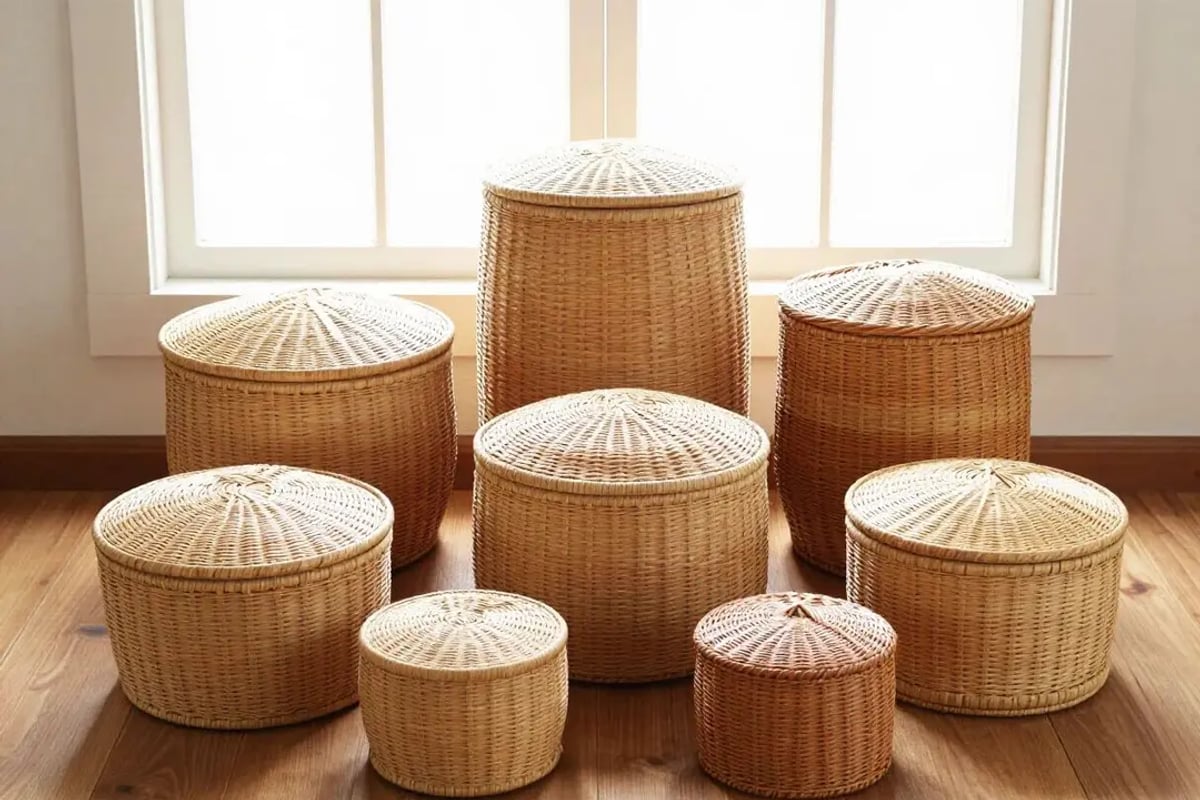
The Rattan-Java workshop exemplifies this balanced approach, where skilled artisans craft tables, chairs, mirrors, hampers, and lamp shades that appeal to discerning global buyers while preserving Javanese weaving heritage.
Logistics and Export Considerations
Shipping handmade rattan furniture Indonesia produces to international markets requires specialized knowledge. The material's characteristics demand specific packaging and handling protocols.
Container optimization maximizes shipment efficiency. Rattan's lightweight nature allows more pieces per container compared to solid wood furniture, reducing per-unit transportation costs.
Packaging methods protect delicate weaving:
- Individual wrapping with protective film
- Corner reinforcement on vulnerable areas
- Nested stacking for space efficiency
- Moisture barriers preventing humidity damage
- Clear labeling for handling instructions
Experienced exporters maintain relationships with freight forwarders familiar with furniture logistics, ensuring smooth customs clearance and timely delivery to buyers worldwide.
Indonesia's combination of abundant natural resources, generational artisan expertise, and commitment to sustainable practices establishes it as the premier source for authentic rattan furniture. Whether furnishing residential spaces or commercial projects, buyers benefit from the exceptional quality and environmental responsibility that Indonesian craftspeople deliver. Rattan-Java brings these advantages to the global market through handwoven furniture crafted by skilled Javanese artisans, offering businesses and homeowners access to sustainable, beautiful pieces that honor centuries of tradition while meeting modern quality standards.
Looking for handwoven rattan furniture?
Explore our collections or reach out for wholesale catalog and pricing details.
Continue Reading