 Rattan-Java
Journal
Natural Rattan Furniture Indonesia: Craftsmanship Guide
September 9, 2026 · 6 min read
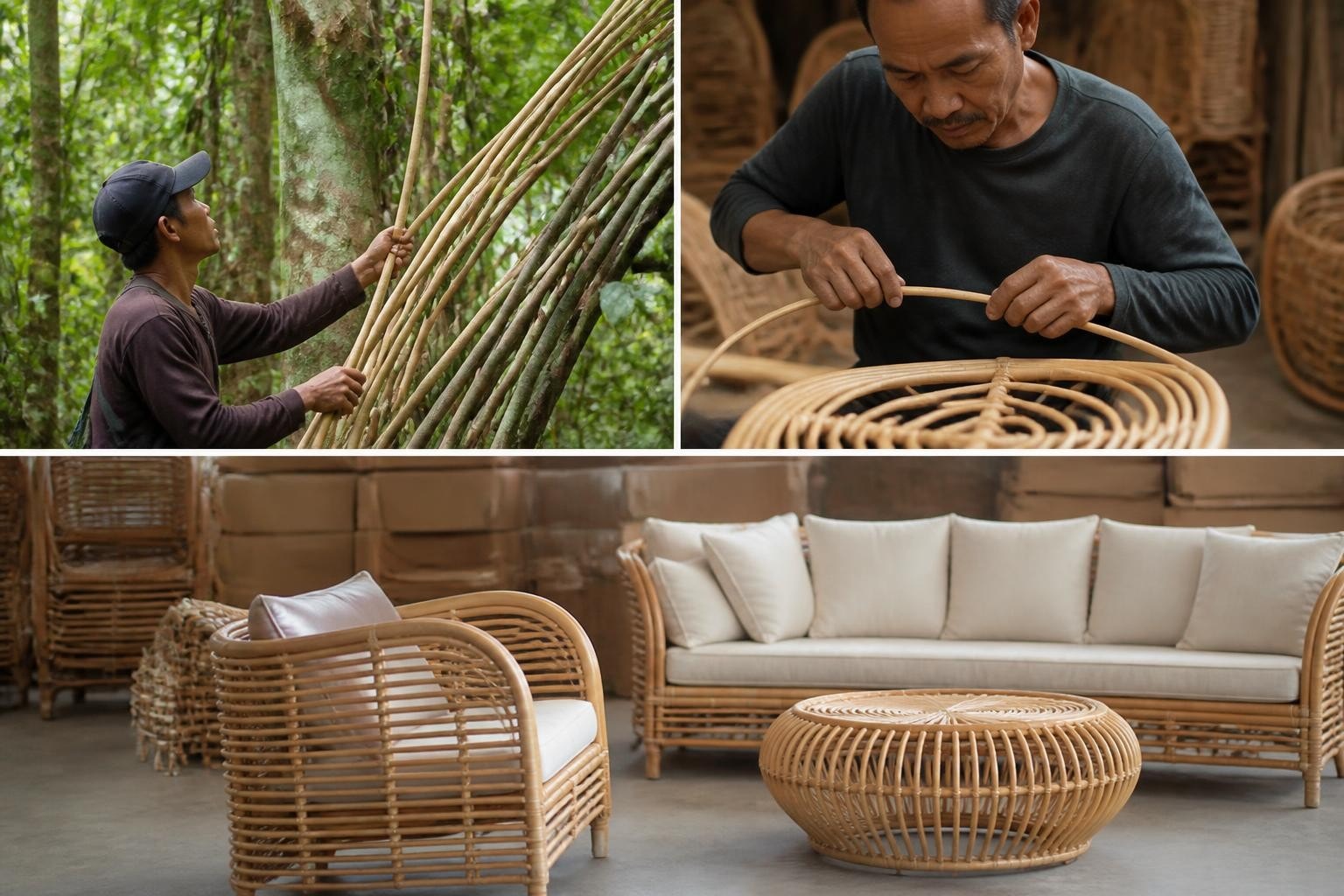
Indonesia stands as the world's leading producer and exporter of rattan furniture, with a rich tradition spanning generations of skilled artisans. The archipelago's tropical forests provide ideal growing conditions for over 300 rattan species, making natural rattan furniture Indonesia a globally recognized category of sustainable, handcrafted home furnishings. This industry supports thousands of rural communities across Java, Kalimantan, and Sulawesi while delivering exceptional furniture to international markets.
Why Indonesian Rattan Dominates Global Markets
Indonesia controls approximately 80% of the world's rattan supply, according to data from the International Bamboo and Rattan Organization. This dominance stems from both natural abundance and generations of specialized craftsmanship. The country's equatorial climate supports robust rattan growth, while traditional knowledge passed through artisan families ensures consistent quality.
Natural rattan furniture Indonesia offers unique advantages over synthetic alternatives:
- Sustainability: Rattan regenerates rapidly and requires no replanting after harvest
- Durability: Properly treated rattan can last decades with minimal maintenance
- Flexibility: The material's natural pliability allows intricate designs impossible with rigid materials
- Carbon footprint: Low-energy production methods reduce environmental impact
The Food and Agriculture Organization classifies rattan as a non-timber forest product (NTFP) that provides sustainable income without deforestation. This classification highlights rattan's role in conservation-friendly economic development.
Traditional Harvesting and Processing Methods
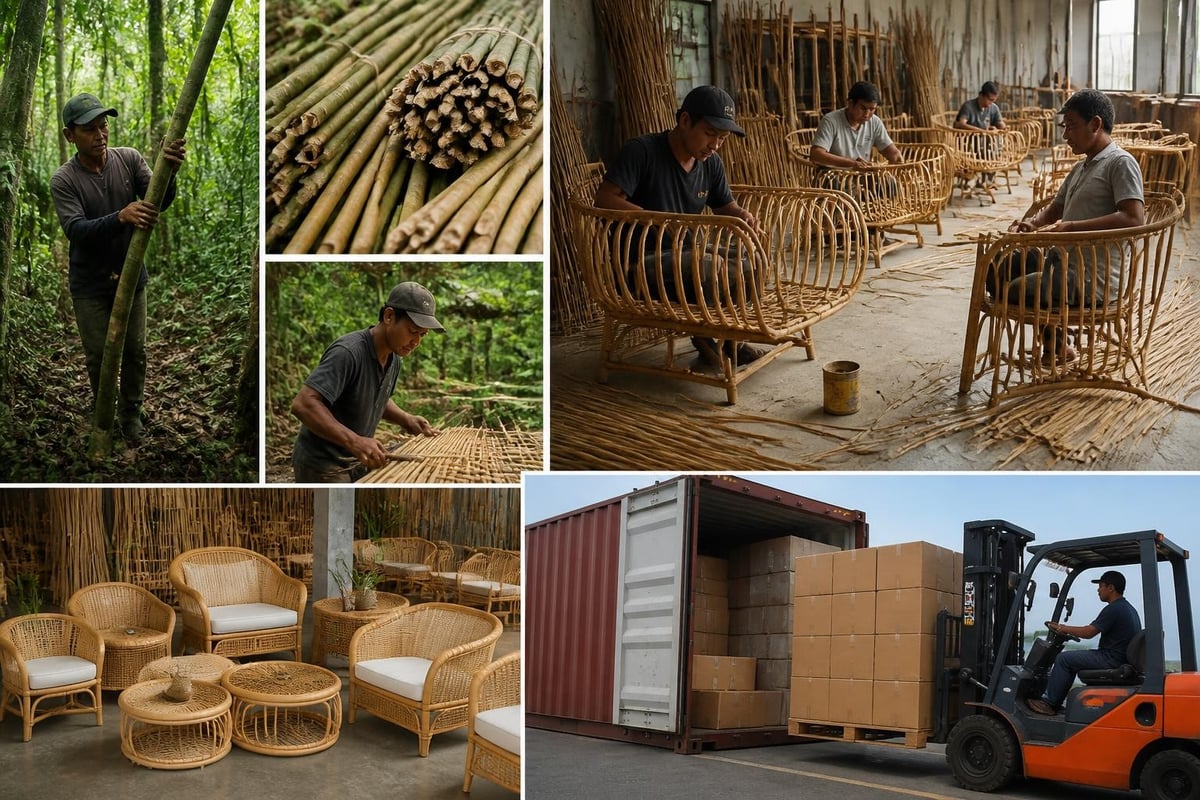
The journey from forest to finished furniture begins with selective harvesting. Skilled collectors identify mature rattan canes, typically 5-7 years old, leaving younger growth undisturbed. This selective approach, documented in CIFOR research on Indonesian rattan value chains, ensures forest regeneration while maintaining supply.
Processing natural rattan furniture Indonesia involves several critical stages:
- Cleaning: Removing outer sheaths and thorns immediately after harvest
- Boiling: Treating canes in sulfur or diesel baths to prevent insect damage
- Drying: Sun-drying for 2-3 weeks to achieve optimal moisture content
- Grading: Sorting by diameter, length, and quality specifications
- Splitting: Creating various widths for different weaving applications
Temperature and humidity during drying significantly affect final product quality. Artisans in Java have perfected these techniques over generations, ensuring consistent results that meet international standards.
Artisan Craftsmanship and Design Innovation
Java's rattan weaving villages maintain techniques dating back centuries while incorporating contemporary design elements. Master weavers train apprentices through hands-on practice, preserving knowledge that cannot be replicated by industrial processes. This human element distinguishes natural rattan furniture Indonesia from mass-produced alternatives.
Weaving Techniques and Patterns
Traditional patterns include:
- Kepang: Diagonal braiding creating diamond motifs
- Anyaman Halus: Fine, tight weaving for smooth surfaces
- Anyaman Kasar: Looser weaving for decorative texture
- Kombinasi: Mixed techniques for visual contrast
Each technique requires specific rattan grades and diameters. For example, mirror frames often feature finer weaving that showcases intricate detail work, while larger furniture pieces may combine multiple weaving styles for structural and aesthetic purposes.
The performance characteristics of different Indonesian rattan species determine their suitability for various applications. Species like Calamus manan and Calamus caesius offer superior strength-to-weight ratios ideal for structural elements.
Quality Standards and Sustainability Certification
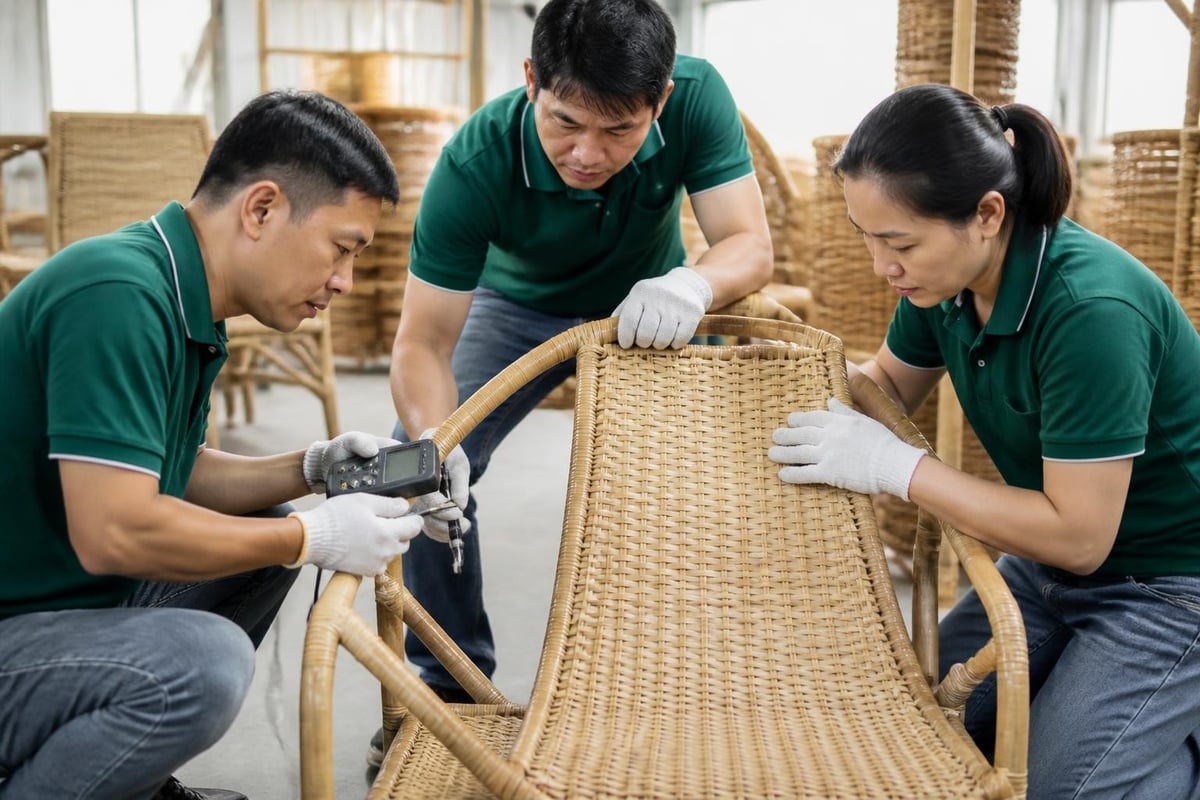
Export-quality natural rattan furniture Indonesia must meet rigorous specifications. The ROLES sustainability guidelines provide frameworks for responsible sourcing and community verification. These standards address:
| Quality Factor | Export Standard | Verification Method |
|---|---|---|
| Moisture Content | 12-15% | Electronic moisture meter |
| Color Uniformity | 95% consistency | Visual inspection + samples |
| Structural Integrity | No visible cracks | Load testing |
| Weaving Density | Specified per design | Pattern count verification |
| Finish Quality | Smooth, splinter-free | Tactile and visual assessment |
Sustainability certifications ensure natural rattan furniture Indonesia supports both environmental conservation and fair labor practices. The Forest Trends analysis emphasizes how community-based management systems benefit both harvesters and forest ecosystems.
Product Categories and Export Applications
Indonesia's rattan industry produces diverse product lines suited to various market segments. Core categories include residential furniture, commercial installations, and decorative homeware.
Residential and Commercial Applications
Popular furniture categories include:
- Seating: Chairs, sofas, loungers with engineered frames
- Dining sets: Tables paired with matching seating
- Storage: Baskets, hampers, and organizational solutions
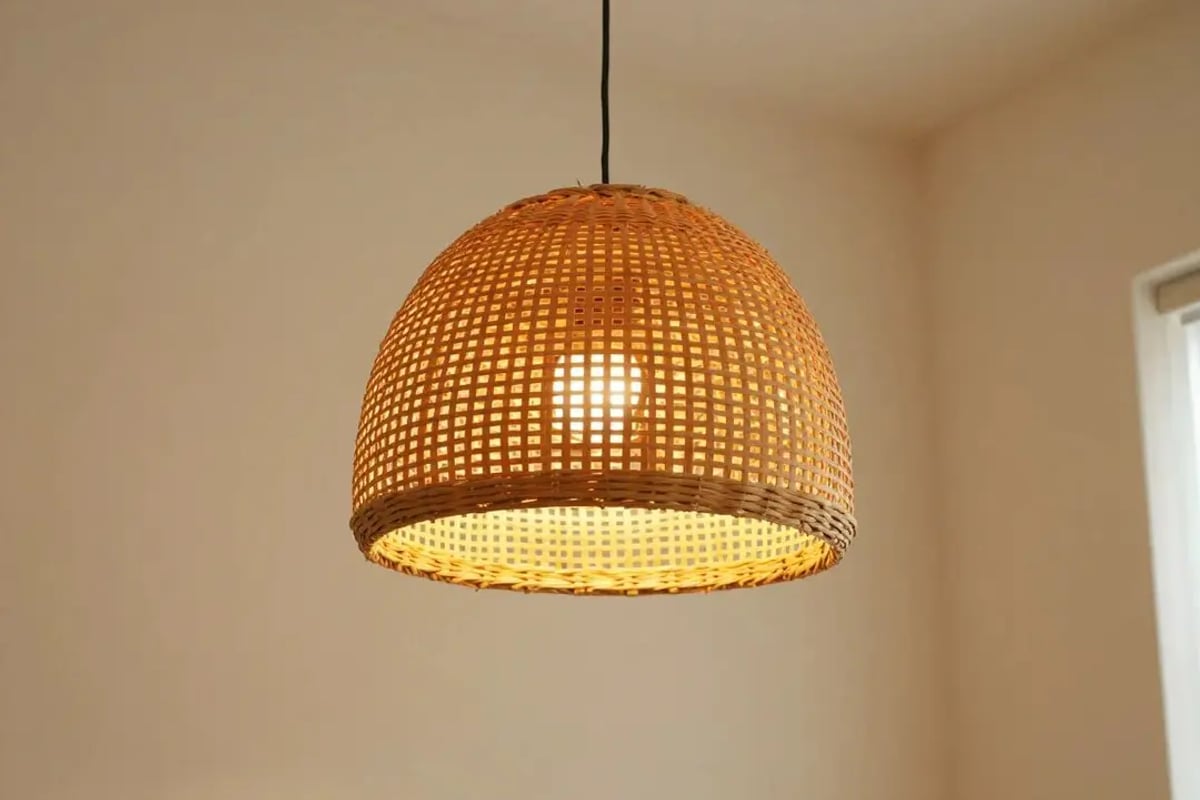
- Lighting: Pendant lamps and floor lamps with woven shades
- Accents: Screens, room dividers, and decorative panels
For retailers seeking authentic handwoven pieces, exploring options like chair and table sets demonstrates the range possible with natural rattan furniture Indonesia. These collections showcase traditional craftsmanship adapted to contemporary interior design trends.
Commercial projects increasingly specify rattan for hospitality and retail environments. The material's natural aesthetic aligns with biophilic design principles while offering practical durability. Hotels, restaurants, and boutiques particularly value rattan's ability to create warm, inviting atmospheres.
Market Trends and International Demand
Global demand for natural rattan furniture Indonesia continues growing, driven by sustainability-conscious consumers and designers. ITTO market data indicates steady export growth throughout the 2020s, with particular strength in European and North American markets.
Current trends shaping the industry include:
Minimalist designs that highlight rattan's natural beauty without excessive ornamentation. Clean lines and neutral finishes appeal to contemporary tastes while respecting traditional techniques.
Mixed materials combining rattan with metal, glass, or wood create versatile pieces suitable for diverse interior styles. These hybrid designs expand rattan's market reach beyond purely natural aesthetics.
Custom colorways using eco-friendly dyes allow specification flexibility while maintaining sustainability credentials. Designers increasingly request specific finishes to match brand palettes.
The shift toward conscious consumption benefits natural rattan furniture Indonesia producers who emphasize ethical sourcing and artisan welfare. Transparency regarding material origins and maker communities resonates with modern buyers seeking authentic, responsible products.
Caring for Rattan Furniture Longevity
Proper maintenance extends the lifespan of natural rattan furniture Indonesia significantly. Unlike synthetic materials that degrade unpredictably, rattan responds well to simple care routines.
Maintenance Best Practices
| Care Activity | Frequency | Method |
|---|---|---|
| Dusting | Weekly | Soft brush or vacuum with brush attachment |
| Deep cleaning | Monthly | Damp cloth with mild soap solution |
| Moisture treatment | Every 6 months | Light oil application to prevent brittleness |
| Inspection | Annually | Check joints and weaving for wear |
Avoid prolonged direct sunlight exposure, which can cause fading and brittleness. Indoor humidity levels between 40-60% maintain optimal flexibility. For outdoor applications, protective finishes and covered storage during inclement weather preserve finish quality.
Minor repairs often involve re-securing loose weaving strands or applying touch-up finish. The natural material's forgiving nature allows skilled craftspeople to restore pieces rather than replace them, supporting circular economy principles.
Exploring various rattan homeware collections provides insight into care requirements across different product types, from delicate lamp shades to sturdy hampers and baskets.
Natural rattan furniture Indonesia represents the convergence of ecological sustainability, traditional craftsmanship, and timeless design. Whether furnishing residential spaces or commercial projects, these handwoven pieces deliver authenticity and durability that synthetic alternatives cannot match. Rattan-Java connects international buyers directly with Java's master artisans, offering export-quality furniture and homeware crafted using generations of traditional knowledge and sustainable materials. Explore their collections to discover how authentic Indonesian rattan craftsmanship can enhance your next project.
Looking for handwoven rattan furniture?
Explore our collections or reach out for wholesale catalog and pricing details.
Continue Reading