 Rattan-Java
Journal
Rattan Dining Chair Manufacturer Selection Guide
September 18, 2026 · 4 min read
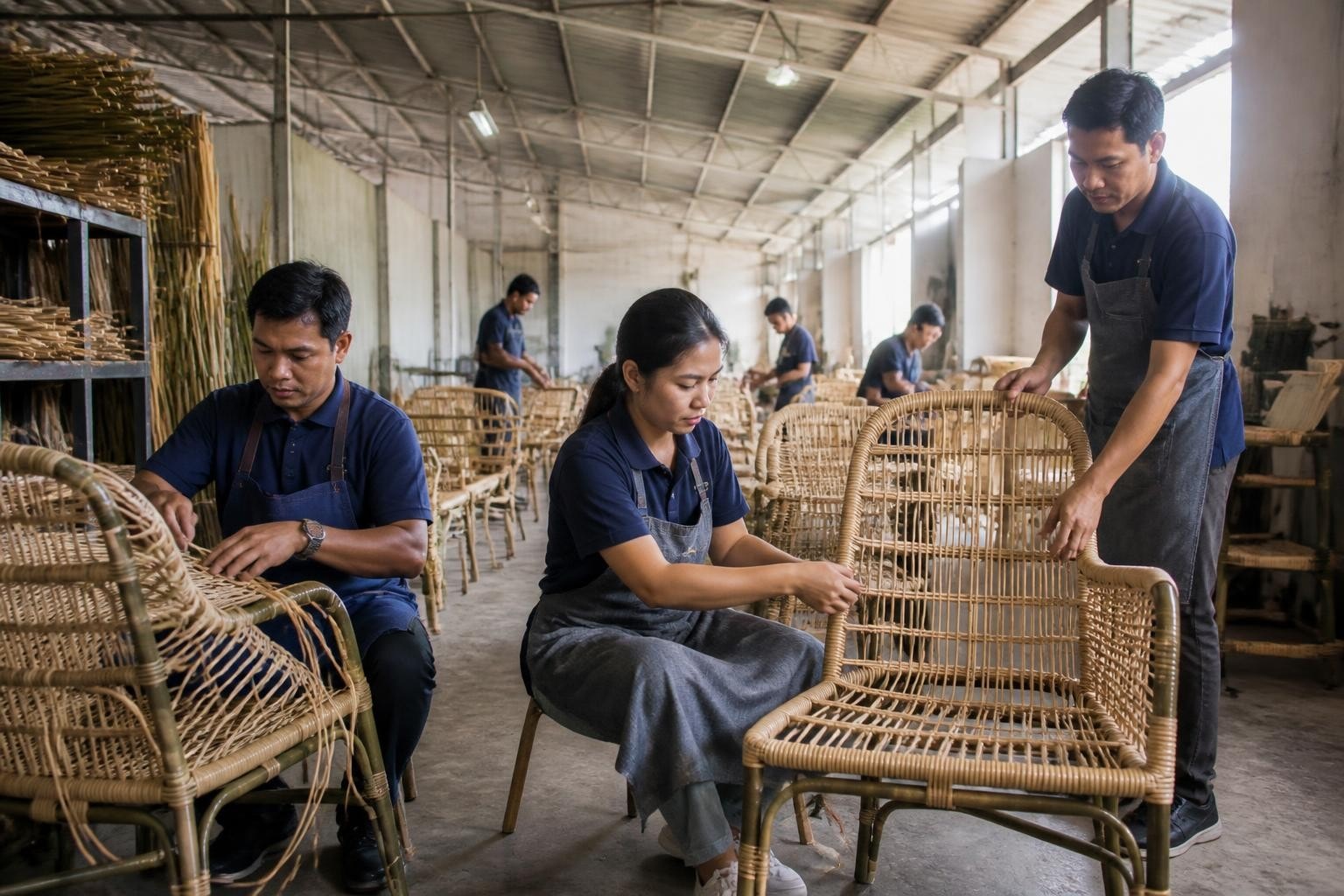
Selecting the right rattan dining chair manufacturer shapes product quality, delivery reliability, and brand reputation for furniture retailers, interior designers, and hospitality buyers. As global demand for sustainable furniture grows, understanding how to evaluate manufacturing partners becomes critical. The rattan furniture market continues to expand, with industry projections showing steady growth through 2030 driven by eco-conscious consumer preferences.
Understanding Rattan Manufacturing Excellence
A qualified rattan dining chair manufacturer demonstrates mastery across multiple disciplines: material sourcing, traditional craftsmanship, modern quality systems, and export logistics. Not all producers operate at the same level.
Material Sourcing and Sustainability
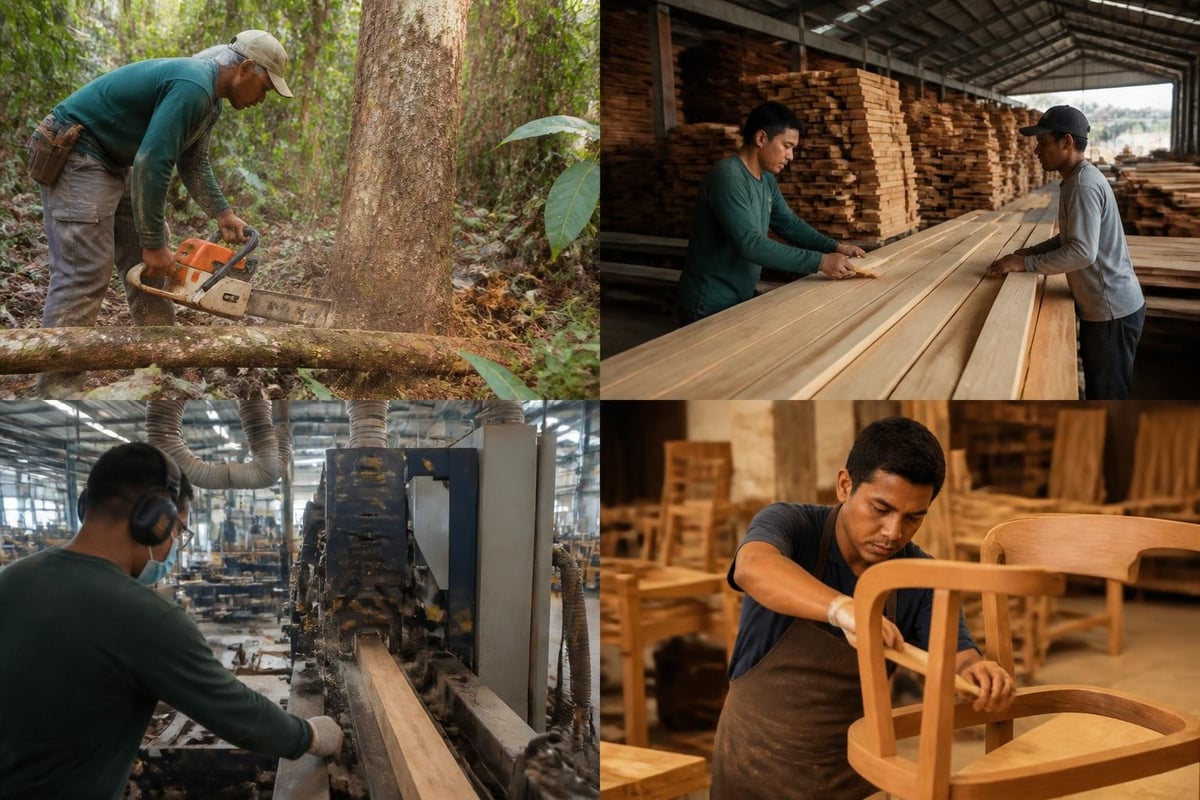
The foundation of quality begins with raw materials. Leading manufacturers source rattan through sustainable harvesting protocols that protect forest ecosystems while supporting local communities. Sustainable rattan harvesting practices documented by conservation organizations show that responsible producers maintain forest health across harvest cycles.
Key sourcing indicators include:
- Certified supply chains aligned with FAO non-wood forest product guidelines
- Community partnerships ensuring fair wages and traditional knowledge preservation
- Species selection choosing appropriate rattan varieties for chair construction
- Traceability systems documenting material origin through production
Indonesia, particularly Java, stands as a global center for rattan furniture production due to centuries of artisan tradition and abundant natural resources.
Quality Markers to Evaluate
When assessing a potential rattan dining chair manufacturer, specific quality indicators separate exceptional producers from mediocre ones.
Craftsmanship Standards
Traditional handweaving techniques produce superior structural integrity compared to machine-assisted methods. Experienced artisans create consistent weave patterns, secure joinery, and balanced proportions that machines cannot replicate.
| Quality Factor | Premium Indicator | Standard Indicator |
|---|---|---|
| Weave consistency | Hand-selected strands, uniform tension | Mixed strand quality, variable tension |
| Frame construction | Mortise-tenon joints, steam-bent curves | Screwed joints, limited shaping |
| Finish quality | Multi-stage treatment, hand-applied | Single-stage coating, spray application |
| Detail work | Hand-tied bindings, custom patterns | Standard patterns, machine binding |
A rattan dining chair manufacturer with multi-generational expertise typically maintains higher quality thresholds. Java-based producers like Rattan-Java preserve traditional techniques while incorporating modern quality control, ensuring each piece meets contemporary standards.
Testing and Compliance
Professional manufacturers implement structured testing protocols covering weight capacity, durability cycles, and finish stability. When chairs include textile elements such as cushions or woven seats, OEKO-TEX Standard 100 certification ensures materials meet safety requirements for harmful substances.
Production Capacity and Flexibility
Understanding manufacturing capabilities helps buyers match their needs with producer strengths. A rattan dining chair manufacturer's capacity encompasses volume, customization options, and timeline management.
Volume and Lead Times
Production volume varies significantly among manufacturers:
- Artisan workshops: 50-200 chairs monthly, higher customization
- Mid-scale facilities: 500-2,000 chairs monthly, balanced flexibility
- Large factories: 3,000+ chairs monthly, standardized designs
Lead times typically range from 6-12 weeks depending on order complexity and current production schedules. Seasonal demand peaks, particularly before major furniture markets, can extend timelines.
Design Customization
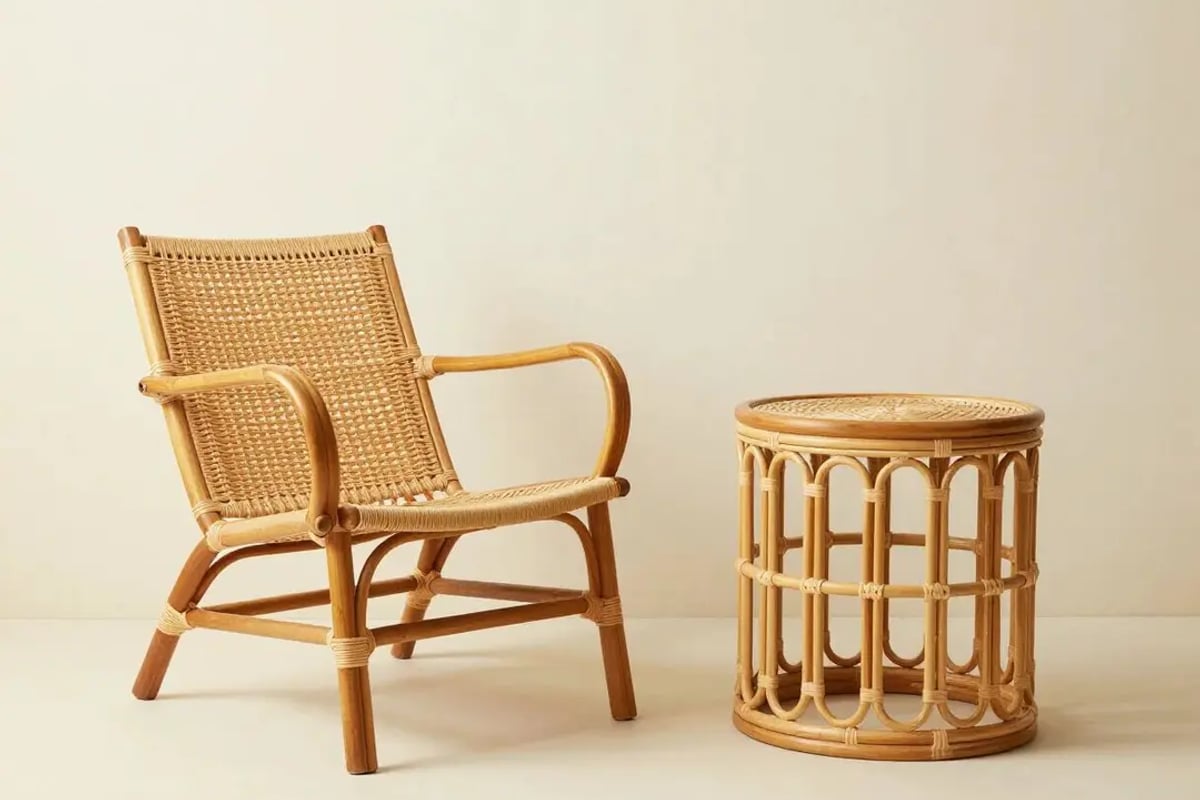
The best manufacturers offer customization across multiple dimensions while maintaining structural integrity. Browse existing collections such as chair and table sets to understand a manufacturer's design range before requesting modifications.
Customization options include:
- Dimensional adjustments: Seat height, back angle, overall footprint
- Weave pattern variations: Open weave, tight weave, decorative patterns
- Finish treatments: Natural, stained, painted, or lacquered
- Hybrid construction: Rattan combined with wood, metal, or upholstery
Export Readiness and Logistics
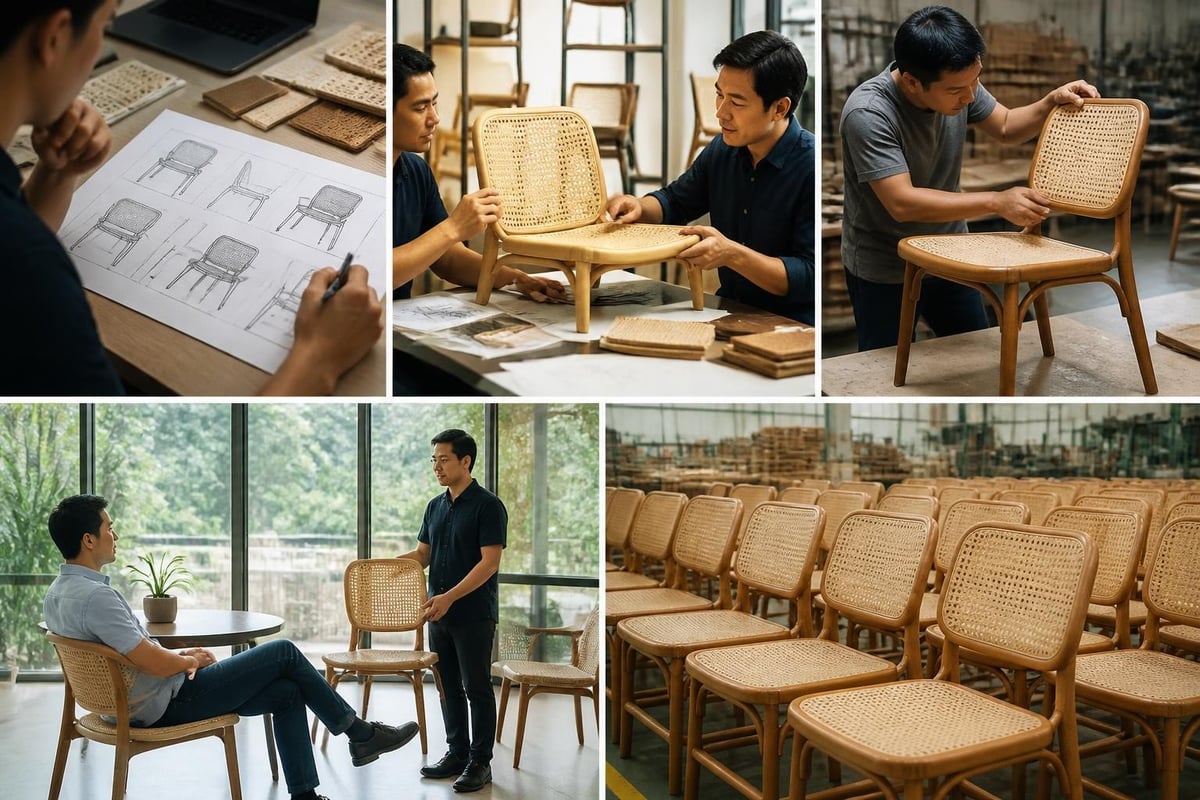
International buyers require manufacturers with proven export capabilities beyond production skills alone.
Documentation and Compliance
Professional exporters navigate complex international trade requirements including certificates of origin, phytosanitary documentation, and customs declarations. ASEAN guidelines for sustainable harvest and resource management provide frameworks that responsible manufacturers follow.
Packaging and Shipment
Proper packaging protects rattan chairs during international transit while optimizing container space. Experienced manufacturers use:
- Protective wrapping preventing abrasion and moisture damage
- Stackable configurations maximizing container utilization
- Disassembly options reducing shipping volume for larger orders
- Consolidated packing combining multiple SKUs efficiently
Building Manufacturer Relationships
Long-term partnerships with a rattan dining chair manufacturer deliver consistent quality and preferential terms.
Communication and Transparency
Effective manufacturers maintain clear communication channels, provide production updates, and address concerns promptly. Visit facilities when possible to assess working conditions, meet artisans, and verify claimed capabilities. Explore manufacturer portfolios through platforms like the Rattan-Java blog to understand their expertise depth.
Quality Assurance Programs
Request information about:
- Pre-shipment inspection procedures
- Defect rate tracking and corrective actions
- Warranty policies and replacement protocols
- Continuous improvement initiatives
Technical resources such as ITTO rattan conference proceedings offer insights into industry best practices that leading manufacturers implement.
Regional Expertise Advantages
Indonesian manufacturers benefit from geographical and cultural advantages. Java's rattan industry integrates forest access, artisan communities, and export infrastructure. Regional specialization allows manufacturers to maintain competitive pricing while preserving quality standards that mass-production facilities cannot match.
Beyond dining chairs, many manufacturers offer complementary products including mirror frames, hampers and baskets, and lamp shades, enabling buyers to source complete rattan collections from a single partner.
Choosing a rattan dining chair manufacturer requires evaluating material sourcing, craftsmanship standards, production capacity, and export readiness. The right partner combines traditional artisan expertise with modern quality systems and transparent business practices. Rattan-Java brings generations of Javanese weaving tradition to international markets, offering handcrafted rattan furniture that meets contemporary quality expectations while supporting sustainable practices and artisan communities. Contact their team to discuss your specific requirements and discover how authentic Indonesian craftsmanship can elevate your furniture offerings.
Looking for handwoven rattan furniture?
Explore our collections or reach out for wholesale catalog and pricing details.
Continue Reading