 Rattan-Java
Journal
Rattan Furniture from Cirebon - Indonesia (2026 Guide)
September 7, 2026 · 13 min read
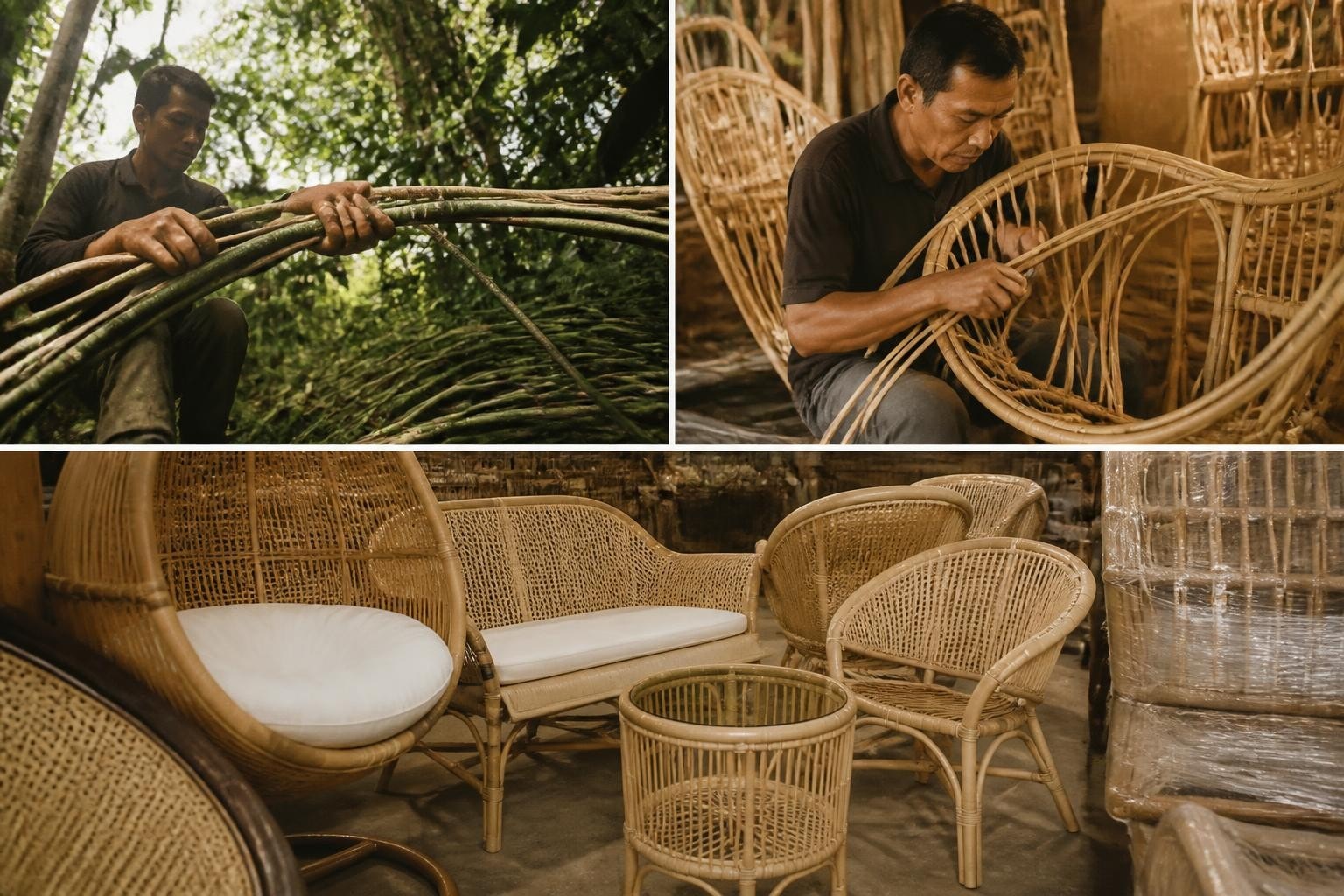
The coastal city of Cirebon in West Java has quietly earned its reputation as one of Indonesia's premier centers for handcrafted rattan furniture production. Nestled between major manufacturing hubs, this region combines centuries-old Javanese weaving traditions with modern export capabilities, producing furniture that graces homes and commercial spaces across six continents. Rattan furniture from Cirebon - Indonesia represents more than just beautifully woven chairs and tables; it embodies a sustainable craft that supports thousands of artisan families while meeting the growing global demand for natural, eco-friendly home furnishings.
The Heritage of Cirebon's Rattan Industry
Cirebon's relationship with rattan craftsmanship stretches back generations, with knowledge passed from master weavers to apprentices through hands-on training in family workshops. The region's proximity to rattan-growing forests in West Java and Kalimantan has historically provided steady access to high-quality cane, while its port location facilitated early trade connections with Dutch colonizers and Asian merchants. This geographic advantage helped establish Cirebon as a furniture production center well before Indonesia's modern export boom.
Generational Knowledge Transfer
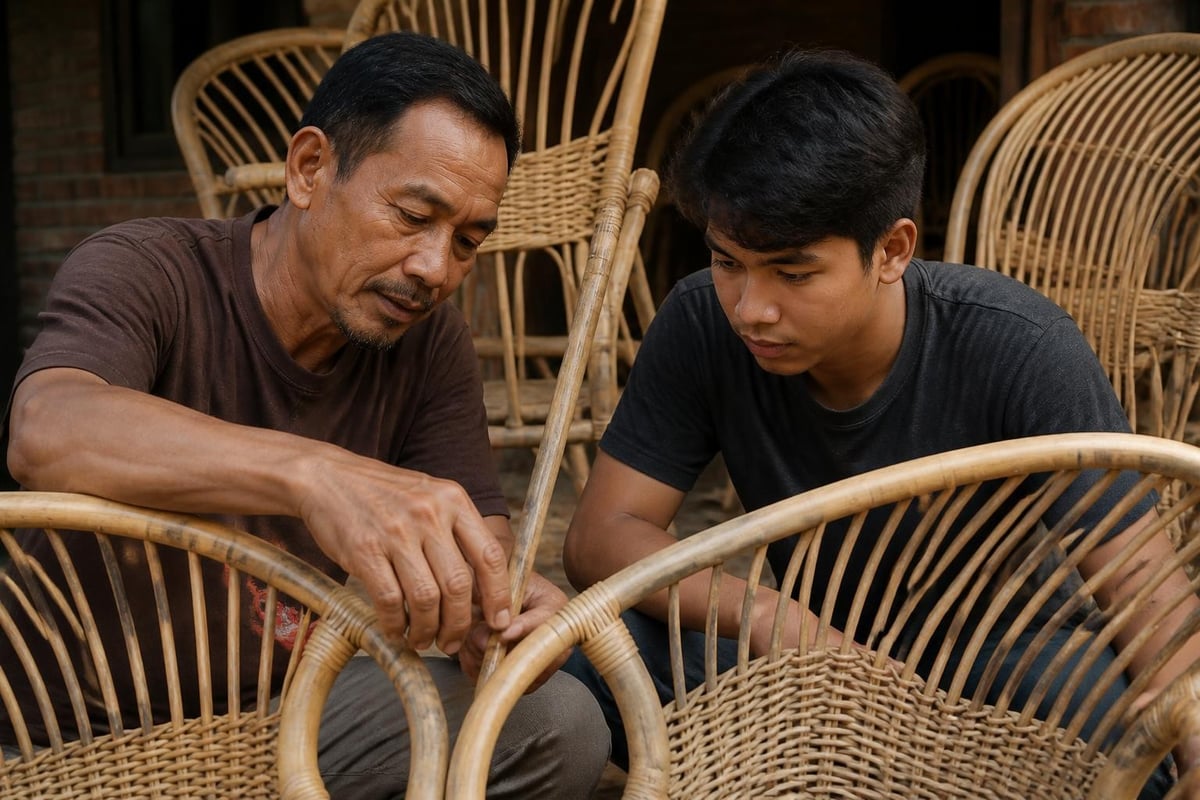
The techniques used to create rattan furniture from Cirebon - Indonesia are rarely documented in manuals or formal curricula. Instead, artisans learn through observation and repetition, starting with basic weaving patterns as children and progressing to complex structural designs over decades. Each workshop maintains signature styles and quality standards, with master craftspeople personally inspecting every piece before it leaves their facility.
According to state radio reports on Cirebon's export contributions, the district's rattan furniture accounts for a significant portion of West Java's total export value, supporting both rural and urban economies. This economic impact has prompted younger generations to view rattan craftsmanship as a viable career path rather than a declining traditional trade.
Raw Material Sourcing and Sustainability
Indonesian rattan comes from climbing palms that grow wild in tropical rainforests, with over 600 species identified across the archipelago. The most commercially valuable varieties include Manau, Tohiti, and Sega, each offering different diameters, flexibility, and color characteristics suited to specific furniture applications. Rattan furniture from Cirebon - Indonesia primarily uses cane sourced from sustainable forest management zones in Sulawesi, Kalimantan, and Sumatra, where harvesters cut mature stems while leaving root systems intact for regrowth.
The FAO's technical documentation on rattan emphasizes rattan's role as a non-timber forest product that supports conservation when harvested responsibly. Unlike hardwood logging, rattan collection preserves forest canopy and biodiversity while generating income for rural communities. This sustainability advantage has made Indonesian rattan increasingly attractive to environmentally conscious furniture buyers in European and North American markets.
Regulatory Framework and Export Controls
Indonesia's government has implemented strict regulations governing rattan trade to protect domestic processing industries and prevent raw material depletion. The Ministry of Trade's export prohibition list specifically bans the export of unprocessed rattan cane, requiring all international shipments to consist of value-added products such as furniture, baskets, or semi-finished components.
This policy framework creates challenges and opportunities for producers of rattan furniture from Cirebon - Indonesia:
- Domestic processing requirement ensures local craftspeople maintain employment and skill development
- Quality control standards push manufacturers toward higher-value finished goods rather than commodity exports
- Traceability systems help buyers verify sustainable sourcing and legal compliance
- Certification programs distinguish responsibly harvested rattan from questionable supply chains
The WWF's global rattan trade analysis warns that illegal harvesting and poor forest management still threaten some rattan populations, making third-party verification increasingly important for international buyers concerned about supply chain ethics.
Production Processes and Craftsmanship Standards
Creating quality rattan furniture from Cirebon - Indonesia involves multiple specialized steps, each requiring specific skills and equipment. Raw cane arrives at workshops in bundles, where workers sort by diameter, inspect for damage, and store in humidity-controlled areas to prevent brittleness. The production sequence follows a careful rhythm developed over decades of refinement.
Preparation and Framework Construction
Furniture production begins with cane preparation:
- Cleaning and splitting removes dirt and outer skin, while thicker poles are split into narrower strips for weaving
- Steaming and bending makes rigid cane pliable enough to form chair backs, armrests, and curved elements
- Frame assembly creates the structural skeleton using thicker diameter poles joined with traditional mortise-and-tenon techniques or modern metal fasteners
- Sanding and smoothing eliminates rough spots that could snag skin or clothing during use
The frame determines a piece's durability and load capacity, with experienced builders knowing exactly which pole diameters and joint configurations will support different furniture types. A poorly constructed frame cannot be salvaged by expert weaving, making this stage critical to final quality.
Weaving Patterns and Finishing
Once frames are complete, weavers wrap and interlace thinner cane strips to create seats, backs, and decorative panels. Rattan furniture from Cirebon - Indonesia showcases dozens of traditional patterns, from simple open weaves that maximize airflow in tropical climates to tight basketweave configurations that create solid surfaces. Master weavers can execute complex geometric designs without templates, relying on muscle memory and visual judgment honed through thousands of repetitions.
| Process Stage | Time Required | Skill Level | Quality Impact |
|---|---|---|---|
| Frame construction | 2-4 hours | Advanced | Structural integrity |
| Pattern weaving | 4-8 hours | Expert | Aesthetic appeal |
| Finishing/coating | 1-2 hours | Intermediate | Durability/protection |
| Quality inspection | 30 minutes | Master | Customer satisfaction |
Finishing options include clear lacquer that preserves natural honey tones, colored stains that darken or lighten the cane, or painted surfaces that match specific design schemes. Many buyers prefer natural finishes that highlight rattan's organic texture and grain patterns, particularly for products like mirror frames and chair and table sets intended for contemporary interiors.
Export Markets and Global Demand Trends
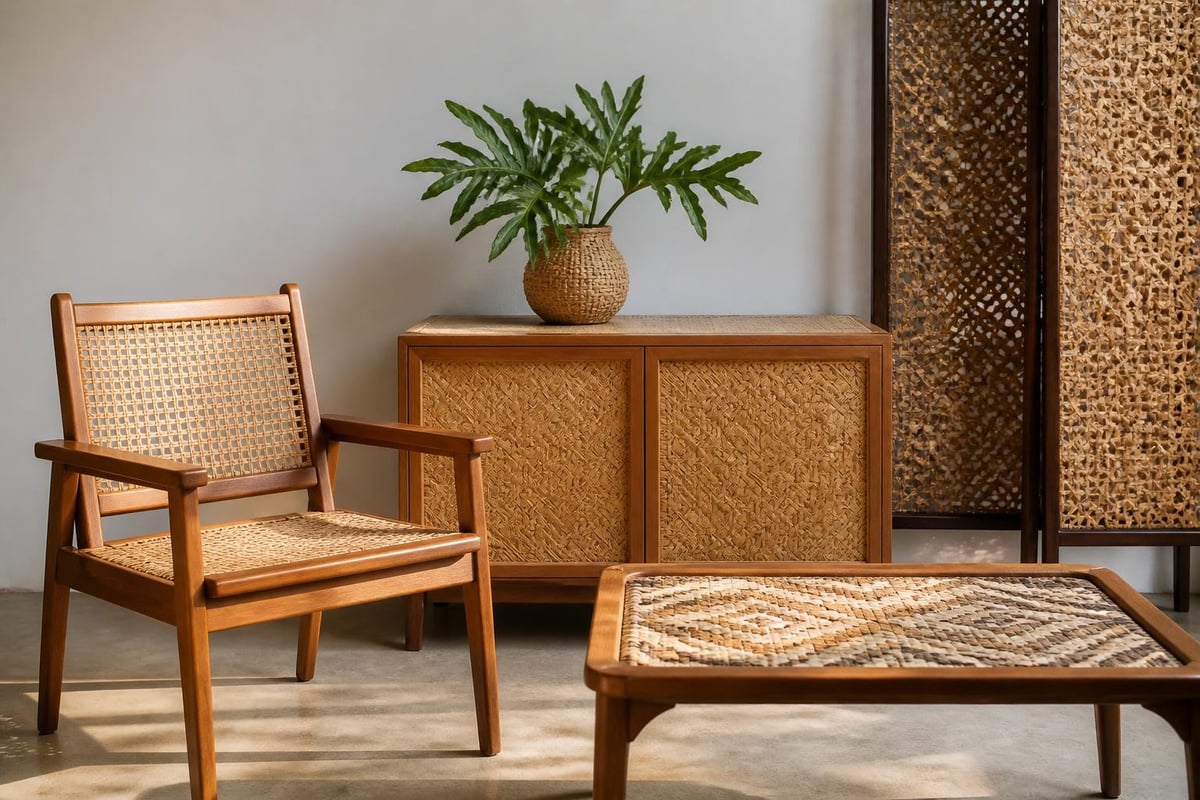
Recent data on Indonesian rattan furniture exports shows consistent growth in shipment volumes, with rattan furniture from Cirebon - Indonesia reaching customers in over forty countries. The United States and European Union remain the largest markets, driven by consumer preferences for sustainable materials and artisan-made products that tell authentic cultural stories.
Regional Market Expansion
West Java's provincial government has actively promoted Cirebon's rattan industry through trade missions and exhibition support. Efforts to expand into ASEAN and Middle Eastern markets reflect recognition that furniture buyers in Malaysia, the UAE, and Saudi Arabia seek high-quality natural products similar to those popular in Western markets. These regions offer growth potential with lower shipping costs and cultural appreciation for handcrafted goods.
Middle Eastern buyers particularly value rattan's natural cooling properties in hot climates, while ASEAN purchasers often seek contemporary designs that blend traditional materials with modern aesthetics. Cirebon manufacturers have adapted by developing product lines specifically for these markets, including outdoor dining sets with weather-resistant finishes and modular seating that suits smaller urban apartments.
Design Innovation and Contemporary Applications
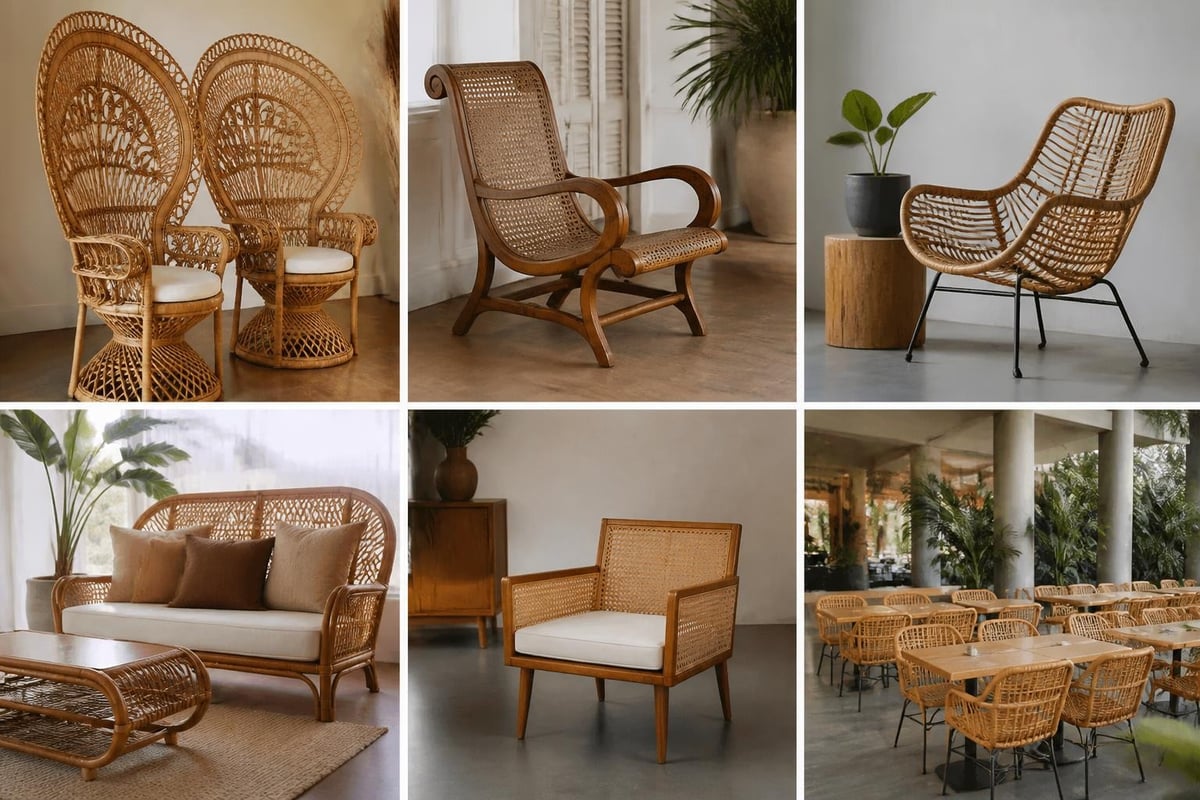
While traditional rattan furniture from Cirebon - Indonesia emphasized classic forms like Peacock chairs and colonial-style loungers, today's producers collaborate with international designers to create pieces that fit minimalist, Scandinavian, and mid-century modern interiors. This design evolution has expanded rattan's appeal beyond tropical or bohemian aesthetics, positioning it as a versatile material for diverse decorating styles.
Contemporary applications include:
- Pendant lighting fixtures that showcase intricate weaving in sculptural forms
- Room dividers and screens offering privacy while maintaining visual lightness
- Accent furniture such as plant stands, side tables, and magazine racks
- Custom commercial installations for restaurants, hotels, and retail environments
The versatility of rattan allows Cirebon's artisans to produce everything from delicate lamp shades that filter light beautifully to robust outdoor furniture that withstands daily use in hospitality settings. This range demonstrates how traditional craft techniques adapt to meet evolving market demands without compromising quality or authenticity.
Color and Finish Customization
Modern buyers often request specific colors or finishes to match existing décor schemes. Rattan furniture from Cirebon - Indonesia can be treated with water-based stains, eco-friendly paints, or protective lacquers in virtually any shade. White and black finishes have gained popularity for contemporary interiors, while natural honey tones remain classic choices that highlight rattan's organic beauty.
Outdoor furniture requires additional weatherproofing through UV-resistant coatings and moisture barriers that prevent mold growth in humid environments. Cirebon workshops have invested in finishing equipment and training to meet these technical requirements, ensuring their products perform well in climates ranging from arid deserts to tropical coastlines.
Quality Assurance and Buyer Considerations
Discerning buyers evaluating rattan furniture from Cirebon - Indonesia should assess several quality indicators that distinguish superior craftsmanship from mass-produced alternatives. These factors affect both immediate aesthetics and long-term durability, making them essential considerations for residential and commercial purchases.
Construction Quality Markers
Joint integrity represents the most critical structural element, with properly constructed mortise-and-tenon connections outlasting glued or stapled assemblies by decades. Buyers should inspect joints for tightness, checking that frame components don't wobble or separate under pressure. Quality pieces use thicker diameter poles for structural elements and reserve thinner, more flexible cane for decorative weaving.
Weaving consistency indicates craftsmanship level, with expert artisans maintaining uniform tension and spacing throughout even complex patterns. Loose weaves sag and deteriorate quickly, while overly tight construction can crack cane strips and create uncomfortable rigid surfaces. The best rattan furniture from Cirebon - Indonesia balances these concerns, creating durable pieces that remain comfortable through years of use.
| Quality Factor | Premium Standard | Common Defects | Impact on Longevity |
|---|---|---|---|
| Joint construction | Mortise-and-tenon | Glue-only | 20+ years vs 3-5 years |
| Weave tension | Uniform, flexible | Loose or over-tight | Maintains vs sags |
| Finish application | Even, 3+ coats | Thin, uneven | Weather protection |
| Cane selection | Uniform diameter | Mixed, damaged | Structural integrity |
Finish quality becomes particularly important for furniture exposed to sunlight or moisture. Multiple thin coats of lacquer or polyurethane protect better than single thick applications that crack as wood expands and contracts with temperature changes.
Economic Impact and Artisan Livelihoods
The production of rattan furniture from Cirebon - Indonesia supports an extensive network of workers beyond the master craftspeople who weave and assemble finished pieces. Raw material suppliers, finishers, quality inspectors, packers, and logistics coordinators all earn livelihoods from this industry, creating multiplier effects throughout the regional economy.
Recent photographic documentation of Cirebon's export growth shows expanded workshop facilities and increased employment, particularly for women who specialize in detail work such as fine weaving and finishing touches. This economic development has helped stem rural-to-urban migration by creating viable income opportunities in traditional craft sectors.
Government Support Initiatives
The Indonesian government recognizes rattan furniture as a strategic export commodity with potential for continued growth. Official policy statements on boosting global competitiveness outline support programs including:
- Export financing assistance for small and medium-sized manufacturers
- Design development grants to fund collaborations with international designers
- Trade fair participation subsidies reducing costs for exhibiting at major furniture markets
- Quality certification programs helping producers meet international standards
- Skills training initiatives preserving traditional techniques while teaching modern business practices
These interventions aim to position rattan furniture from Cirebon - Indonesia as a premium product category rather than competing on price with lower-quality alternatives from other producing countries.
Sustainability Certification and Eco-Credentials
Environmental consciousness increasingly drives purchasing decisions in developed markets, with buyers seeking verified sustainable sourcing and minimal environmental impact. Rattan's natural advantages include rapid regrowth (3-5 years to maturity versus 30-50 years for hardwoods), carbon sequestration during growth, and biodegradability at end of life. However, buyers want third-party confirmation rather than relying on manufacturer claims alone.
Several certification programs verify sustainable rattan sourcing:
- Forest Stewardship Council (FSC) certification confirms cane comes from responsibly managed forests
- SVLK timber legality verification ensures Indonesian forest products meet legal harvest requirements
- Fair Trade certification verifies ethical labor practices and fair compensation for artisans
- PEFC endorsement provides alternative forest certification recognized in European markets
Producers of rattan furniture from Cirebon - Indonesia who invest in these certifications access premium market segments willing to pay higher prices for verified sustainability. The certification costs and annual audits create barriers for smaller workshops but offer competitive advantages for established exporters with formalized supply chains.
Practical Care and Maintenance Guidelines
Buyers investing in quality rattan furniture from Cirebon - Indonesia should understand proper care requirements to maximize longevity and preserve appearance. Unlike synthetic alternatives that require minimal maintenance, natural rattan responds to environmental conditions and benefits from periodic attention.
Indoor Furniture Care
Rattan performs best in climate-controlled environments with moderate humidity levels. Excessive dryness causes cane to become brittle and crack, while high humidity can promote mold growth in tight weaves. Simple maintenance includes:
- Regular dusting with soft cloths or vacuum attachments prevents dirt accumulation in weave patterns
- Occasional wiping with damp cloths removes surface grime without saturating the cane
- Position awareness keeps furniture away from direct sunlight that fades finishes and dries cane
- Humidity monitoring maintains 40-60% relative humidity for optimal cane flexibility
Every 12-18 months, applying a thin coat of furniture wax or mineral oil replenishes moisture and maintains finish luster. This treatment takes minutes but significantly extends furniture life compared to neglected pieces that dry out and deteriorate.
Outdoor and High-Use Applications
Commercial settings and outdoor installations demand more robust maintenance schedules. Weather-exposed rattan furniture from Cirebon - Indonesia benefits from covered storage during winter months in temperate climates, while year-round outdoor pieces require quarterly inspection and touch-up of protective coatings. High-traffic commercial furniture should receive professional deep cleaning and refinishing every 2-3 years to maintain appearance standards.
For buyers seeking functional storage solutions alongside decorative furniture, hampers and baskets crafted from quality Cirebon rattan combine practicality with the same artisan techniques used in larger furniture pieces. These items provide entry points for customers new to rattan products while demonstrating the material's versatility across product categories.
Competitive Advantages in Global Markets
Rattan furniture from Cirebon - Indonesia competes globally against producers in the Philippines, Vietnam, China, and Thailand, each offering distinct advantages in pricing, design capabilities, or production scale. Cirebon's competitive positioning emphasizes several key differentiators that appeal to quality-conscious buyers and design-focused retailers.
The region's artisan skill depth exceeds most competing locations, with multi-generational knowledge transfer creating craftspeople capable of executing complex designs without extensive supervision. This human capital allows Cirebon workshops to accept custom orders and design collaborations that would challenge less experienced producers. Buyers seeking unique pieces or modified standard designs find responsive partners willing to invest time in product development.
Supply chain integration gives Cirebon producers advantages in cost management and quality control compared to regions that rely heavily on imported raw materials. Proximity to Indonesian rattan forests reduces logistics costs and lead times while enabling direct relationships with sustainable harvesters. This vertical integration supports faster sample production and greater flexibility in material selection for specialized projects.
Cultural authenticity resonates with buyers valuing genuine artisan stories over industrial manufacturing narratives. The heritage and tradition embedded in rattan furniture from Cirebon - Indonesia provides marketing advantages for retailers positioning products as culturally significant rather than merely functional home furnishings. This authenticity cannot be easily replicated by competitors without similar historical roots.
The rattan furniture industry in Cirebon represents a remarkable convergence of traditional craftsmanship, sustainable materials, and modern export capabilities that delivers authentic, high-quality products to global markets. For buyers seeking handwoven furniture that combines environmental responsibility with timeless design, Indonesian artisan expertise offers unmatched value and character. Rattan-Java connects international buyers with generations of Javanese weaving mastery, ensuring every piece reflects the dedication and skill that make Cirebon's rattan furniture exceptional.
Looking for handwoven rattan furniture?
Explore our collections or reach out for wholesale catalog and pricing details.
Continue Reading