 Rattan-Java
Journal
Rattan Furniture from Indonesia: Sustainability Meets Craft
September 8, 2026 · 4 min read
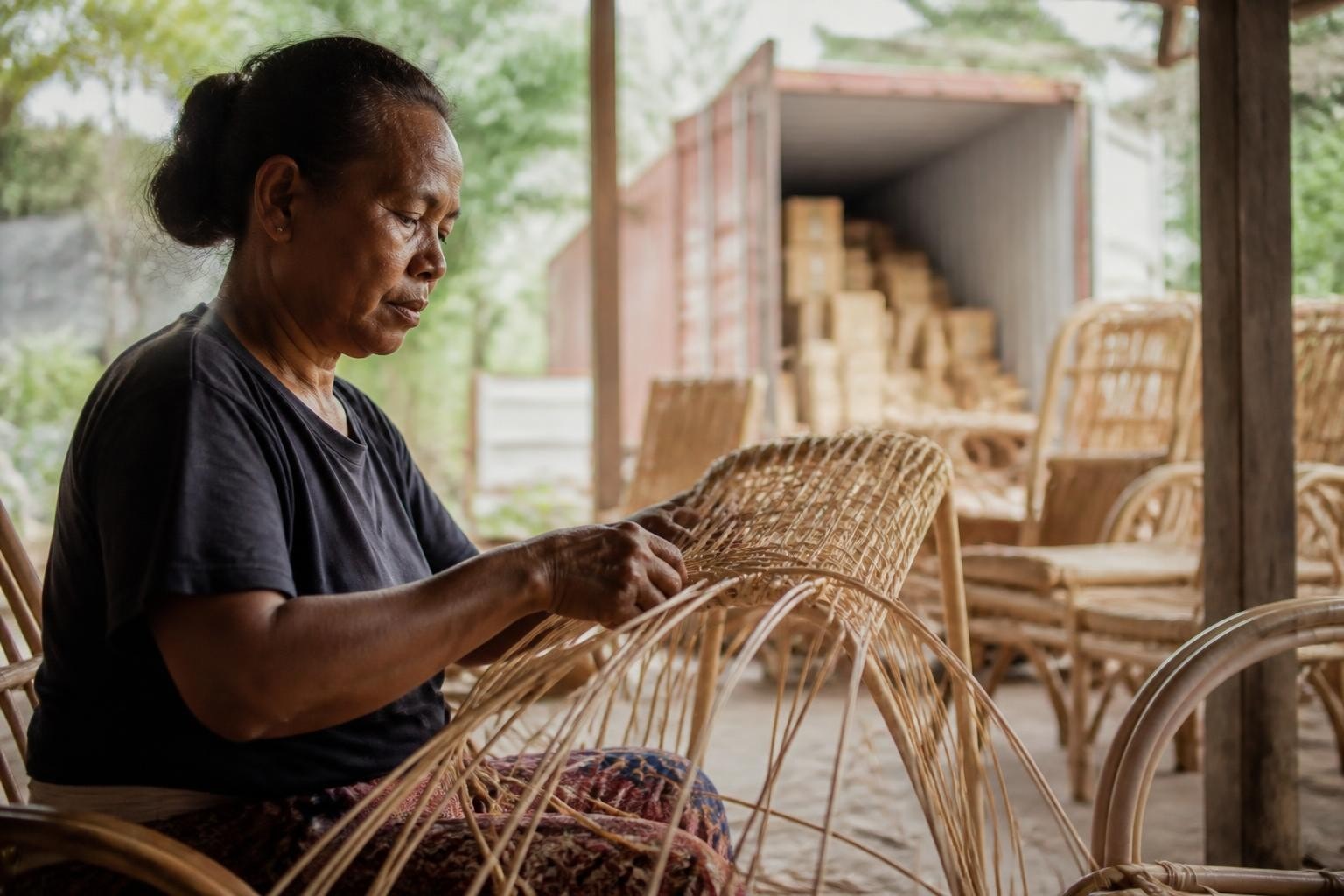
Indonesia stands as the world's largest producer and exporter of rattan furniture, commanding a significant share of the global market through centuries of traditional craftsmanship and abundant natural resources. The archipelago's tropical forests provide ideal growing conditions for over 300 rattan species, while skilled artisans transform this versatile material into furniture pieces that blend functionality with timeless aesthetic appeal. Understanding the journey from forest to finished product reveals why rattan furniture from Indonesia has become synonymous with quality and sustainability in international markets.
The Natural Advantage of Indonesian Rattan
Indonesia's geographical position across the equatorial belt creates optimal conditions for rattan cultivation. The country controls approximately 80% of the world's rattan supply, with vast plantations spread across Java, Kalimantan, and Sulawesi. According to recent export volume data from Statista, Indonesia exported over 180,000 tons of rattan furniture in 2025, demonstrating sustained market demand.
Sustainable Harvesting Practices
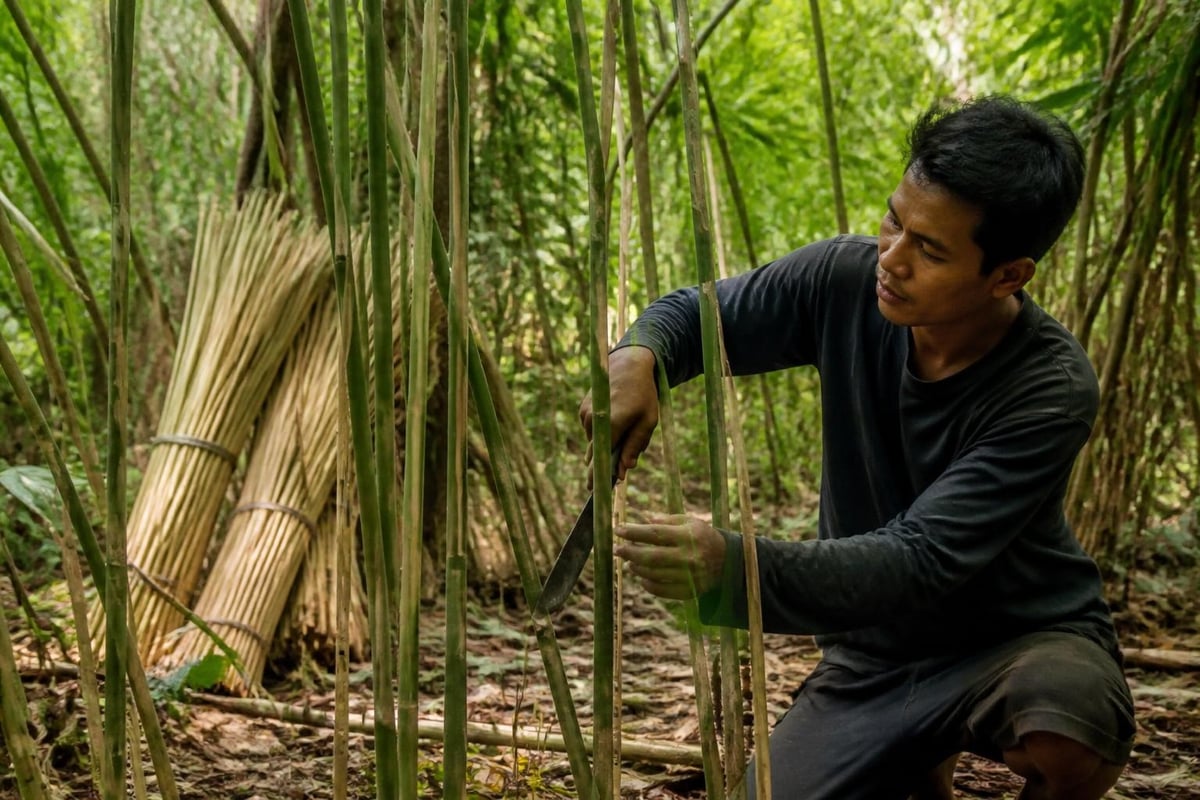
The Indonesian government has implemented comprehensive regulations to ensure sustainable rattan harvesting. The ASEAN guidelines for non-timber forest product management provide regional frameworks that Indonesian producers follow rigorously. These protocols include:
- Selective harvesting that preserves younger canes for future growth
- Rotation cycles spanning 7-10 years to maintain forest health
- Community-based forest management involving local stakeholders
- Certification programs tracking material from forest to factory
This approach ensures that rattan furniture from Indonesia remains environmentally responsible while supporting rural economies. The FAO's technical overview on rattan cultivation highlights how proper plantation management can actually enhance forest biodiversity.
Traditional Craftsmanship and Modern Production
Javanese artisans have perfected rattan weaving techniques across multiple generations, creating a knowledge base that cannot be replicated through industrial automation alone. Each piece of rattan furniture from Indonesia carries the signature of handcrafted excellence.
The Making Process
The transformation from raw rattan to finished furniture involves meticulous stages:
- Harvesting and selection of mature canes based on diameter and flexibility
- Cleaning and treatment using natural processes to prevent cracking
- Bending and shaping over open flames to achieve desired curves
- Weaving patterns executed entirely by hand
- Finishing touches including sanding, staining, and protective coating
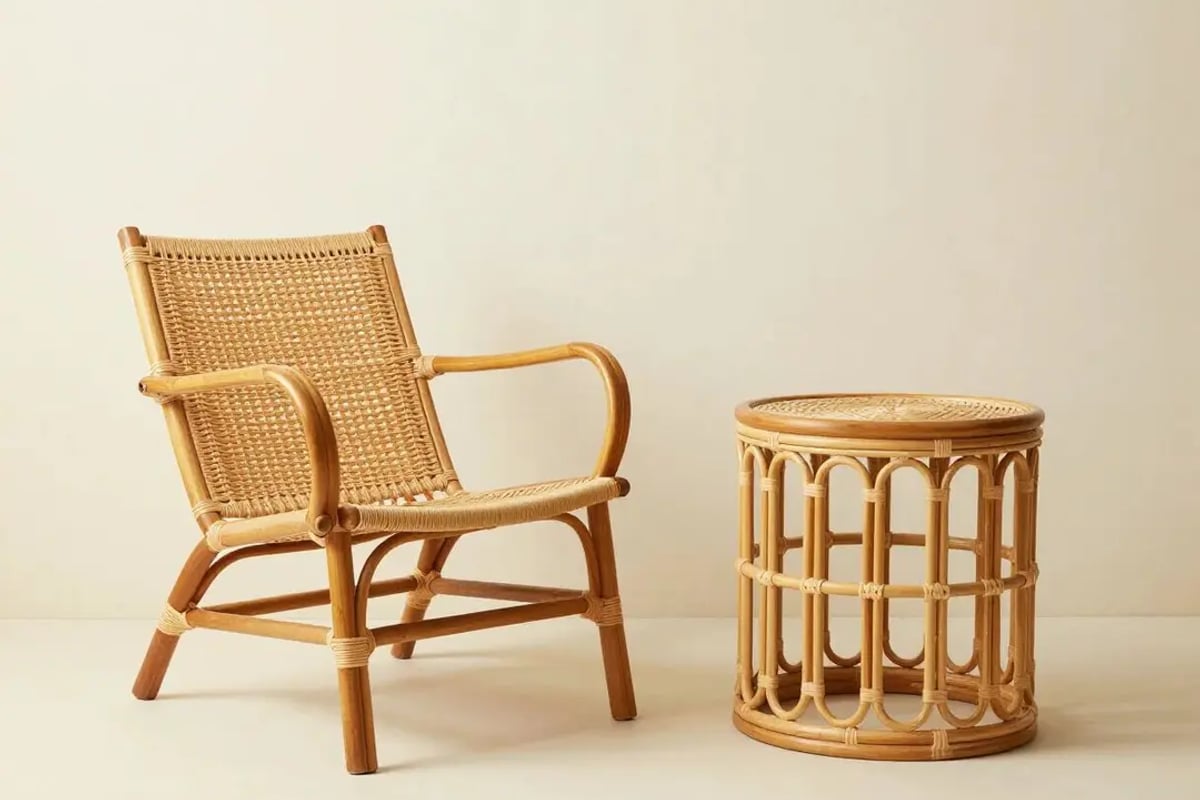
At Rattan-Java, artisans dedicate weeks to individual pieces, ensuring structural integrity and aesthetic precision. The company's chair and table sets exemplify how traditional techniques produce furniture that withstands decades of use while maintaining visual appeal.
Quality Control Standards
Indonesian manufacturers maintain strict quality benchmarks throughout production. Each piece undergoes inspection for:
| Quality Parameter | Inspection Criteria | Industry Standard |
|---|---|---|
| Material density | Uniform thickness, no splits | ±2mm variance |
| Weave tension | Consistent pattern tightness | Manual pull test |
| Frame stability | Joint strength testing | 150kg load capacity |
| Finish quality | Smooth surface, even coating | Zero rough spots |
These standards ensure rattan furniture from Indonesia meets international buyer expectations across retail, hospitality, and contract markets.
Export Market Dynamics and Trade Performance
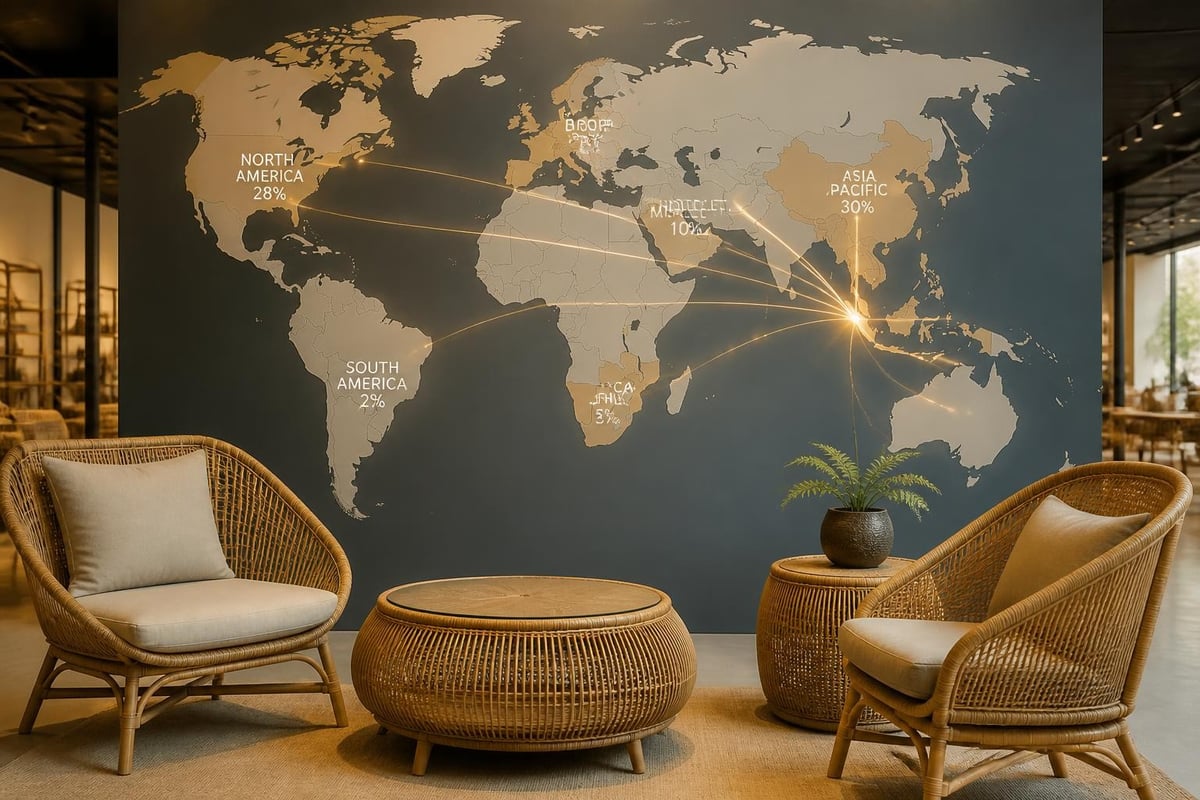
Indonesia's rattan furniture industry has shown remarkable resilience and growth. The Ministry of Trade's market review indicates steady export increases, with primary markets in North America, Europe, and Australia.
Global Trade Trends
Recent analysis from TradeInt on Indonesian furniture exports reveals several key developments for 2026:
- Growing demand for sustainable home furnishings driving 12% year-over-year growth
- Premium segment expansion as consumers prioritize handcrafted quality
- E-commerce channels opening direct-to-consumer opportunities
- Container consolidation improving logistics efficiency for smaller buyers
The versatility of rattan furniture from Indonesia enables producers to serve diverse market segments simultaneously. Beyond traditional seating, products like mirror frames, hampers and baskets, and lamp shades have gained significant traction in interior design markets.
Supply Chain Considerations and Value Addition
The rattan furniture supply chain involves coordination between forest communities, processing facilities, and export logistics. Recent research from the Earth Innovation Institute examines how strengthening local governance and processing capabilities can capture more value within Indonesia.
Processing Infrastructure
Indonesia has invested substantially in processing infrastructure, particularly in Java's furniture-manufacturing clusters. Modern facilities now combine traditional handwork with contemporary finishing equipment:
- Kiln-drying systems ensuring moisture content below 12%
- Chemical-free treatment using heat and natural oils
- Modular design capabilities for flat-pack export efficiency
- Custom finishing options matching specific buyer specifications
This infrastructure supports scalability while preserving the artisan character that distinguishes rattan furniture from Indonesia from mass-produced alternatives.
Environmental and Social Impact
Choosing rattan furniture from Indonesia supports both environmental conservation and rural livelihoods. Unlike timber harvesting, rattan collection does not require tree felling, allowing forests to maintain their canopy and ecosystem functions.
Community Benefits
The rattan industry provides income for over 500,000 Indonesian households, primarily in rural areas with limited alternative employment. This economic activity:
- Preserves traditional skills passing knowledge to younger generations
- Prevents urban migration by creating viable rural employment
- Empowers women who comprise approximately 60% of the weaving workforce
- Finances education through stable household income
By selecting Indonesian suppliers, international buyers contribute to sustainable development outcomes beyond simple commercial transactions. Explore the full range of handcrafted options through the Rattan-Java blog for design inspiration and product updates.
Indonesian rattan furniture represents a convergence of environmental sustainability, cultural heritage, and commercial excellence that few industries can match. Whether you're furnishing a boutique hotel, curating a retail collection, or designing residential spaces, partnering with experienced exporters ensures access to authentic craftsmanship backed by transparent supply chains. Rattan-Java connects international buyers with generations of Javanese artisan expertise, delivering handwoven furniture that meets global quality standards while supporting sustainable forest management and thriving artisan communities.
Looking for handwoven rattan furniture?
Explore our collections or reach out for wholesale catalog and pricing details.
Continue Reading