 Rattan-Java
Journal
Rattan Mirror Manufacturer Indonesia: Quality & Sourcing
September 23, 2026 · 6 min read
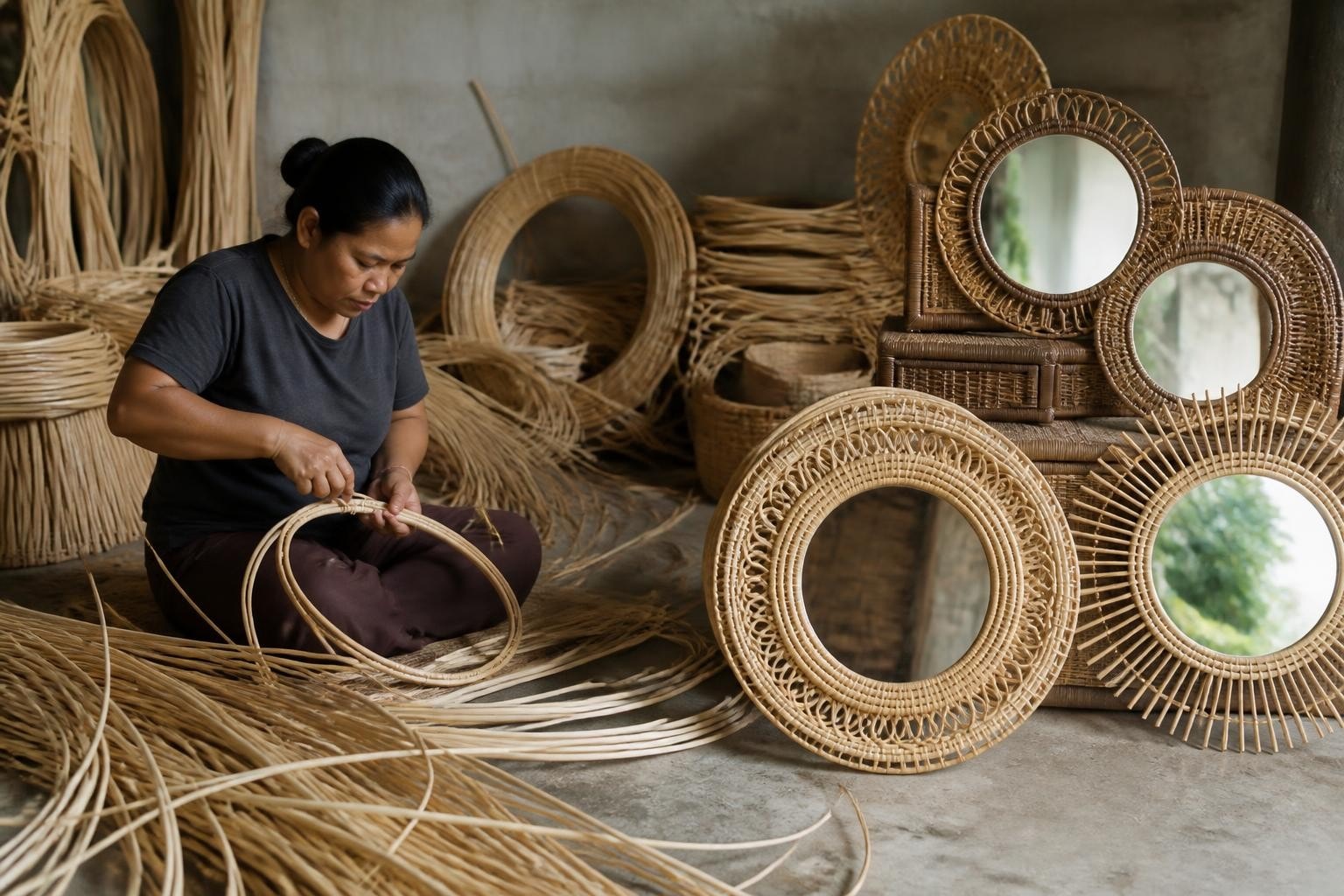
Indonesia has emerged as the world's leading supplier of handwoven rattan products, and among its most sought-after exports are decorative rattan mirrors. Whether you're a boutique retailer, interior designer, or large-scale importer, finding the right rattan mirror manufacturer Indonesia can transform your product line with sustainable, artisan-made pieces that resonate with today's eco-conscious consumers. The combination of abundant raw materials, centuries-old weaving traditions, and competitive pricing positions Indonesian manufacturers as ideal partners for businesses seeking quality and authenticity.
Understanding Indonesia's Rattan Mirror Manufacturing Landscape
Indonesia controls approximately 85% of the global rattan supply, with Java and Kalimantan serving as primary production hubs. The rattan sector has experienced significant growth, with export volumes rising steadily since the government lifted long-standing raw rattan export restrictions in 2012. This policy shift encouraged domestic value-addition, pushing manufacturers to focus on finished goods like mirror frames rather than raw materials.
Regional Manufacturing Clusters
Central Java, particularly around Cirebon and Semarang, hosts the highest concentration of rattan furniture and homeware producers. These regions benefit from:
- Proximity to sustainable rattan forests
- Generational knowledge passed through artisan families
- Established export infrastructure and freight routes
- Government-supported training programs for craftspeople
The Ministry of Trade actively promotes rattan product exports through trade missions, export convoys, and certification assistance programs.
Quality Standards and Certification
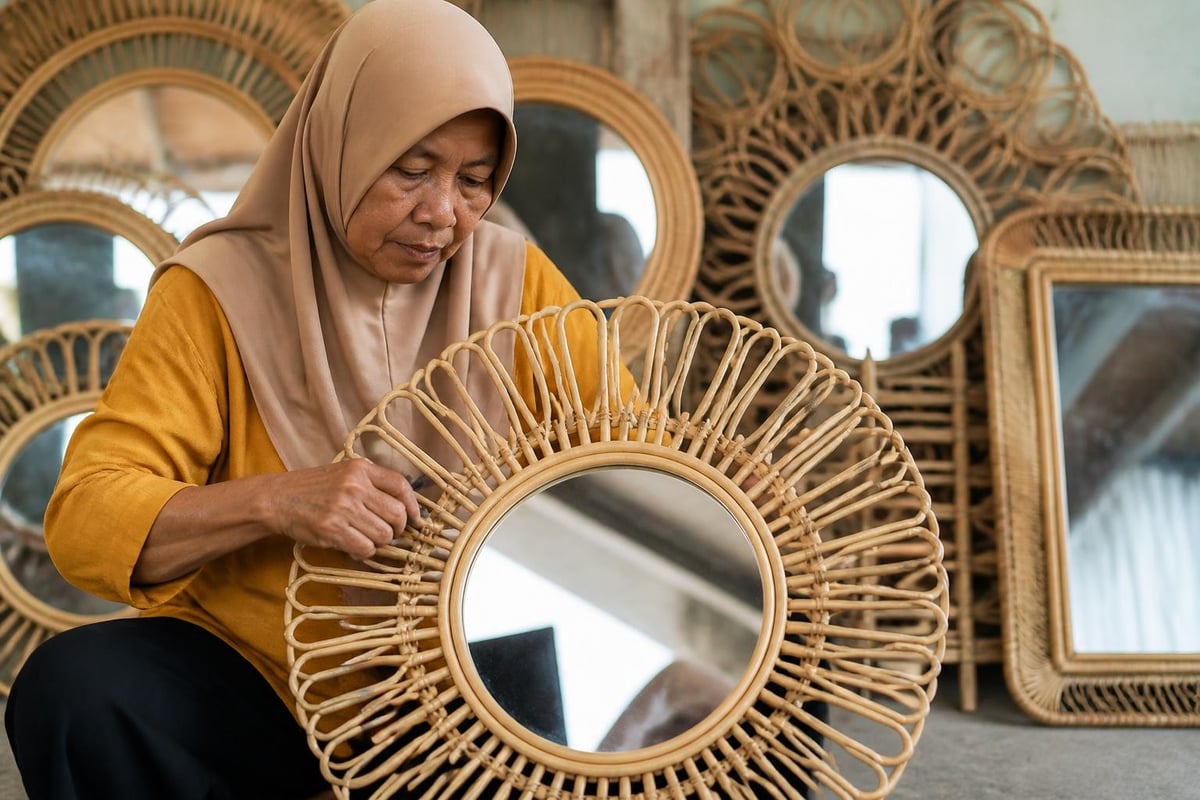
Working with a rattan mirror manufacturer Indonesia requires understanding quality benchmarks. Premium manufacturers implement multi-stage quality control:
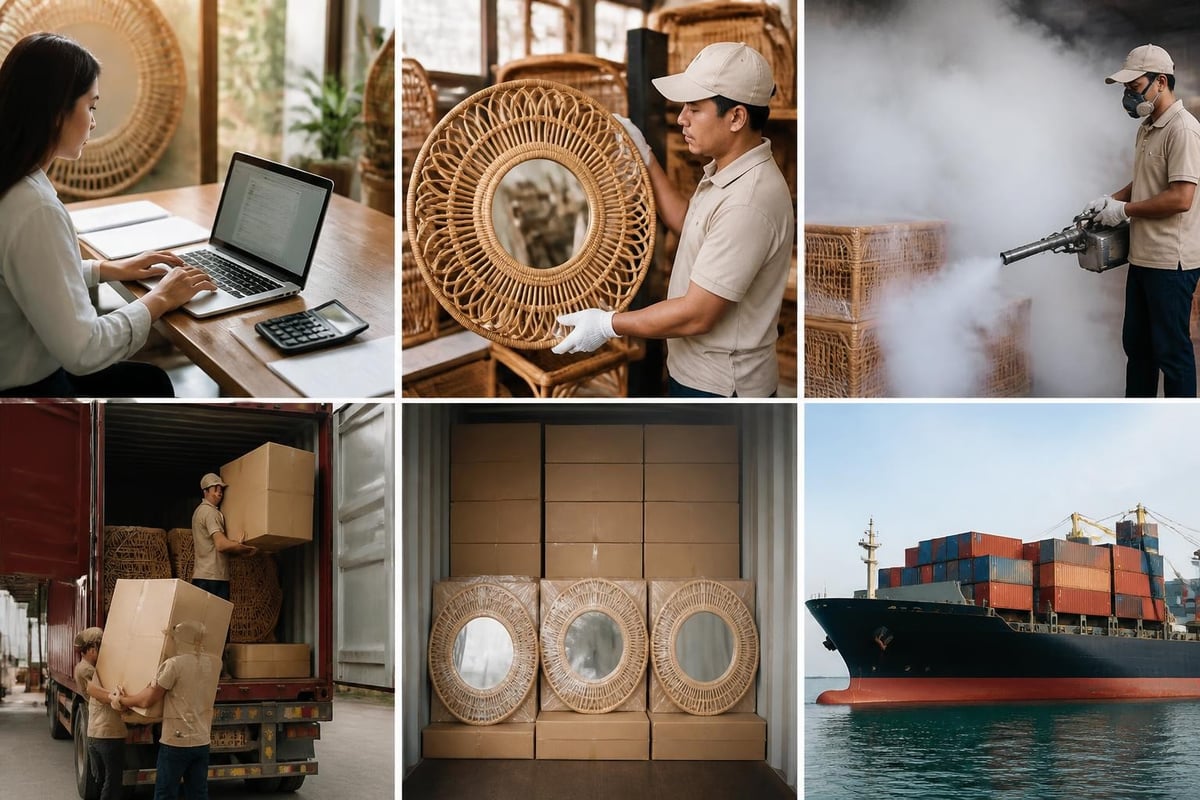
- Raw material selection – Only mature rattan canes (3-7 years old) with consistent diameter
- Fumigation and treatment – Heat treatment to eliminate pests without harmful chemicals
- Weaving consistency – Uniform tension and pattern alignment across entire frame
- Finishing standards – UV-resistant lacquers and properly secured mirror backing
- Packaging inspection – Export-grade protection against humidity and impact damage
Sustainable sourcing certifications such as FSC or SVLK (Indonesian Timber Legality Verification System) add credibility, especially for European and North American markets where sustainability documentation is increasingly mandatory.
Product Categories and Design Capabilities
Indonesian manufacturers offer diverse mirror frame styles, from minimalist Scandinavian-inspired rounds to ornate boho designs with macramé accents. Understanding these categories helps buyers align with their target market.
| Mirror Style | Typical Size Range | Production Timeline | Best Market Fit |
|---|---|---|---|
| Round wall mirrors | 40-80cm diameter | 2-3 weeks | Bohemian, coastal interiors |
| Sunburst/burst mirrors | 50-100cm diameter | 3-4 weeks | Statement pieces, luxury retail |
| Rectangular frames | 60x90cm to 90x150cm | 3-4 weeks | Traditional, versatile spaces |
| Irregular/organic shapes | Custom dimensions | 4-6 weeks | Contemporary, designer projects |
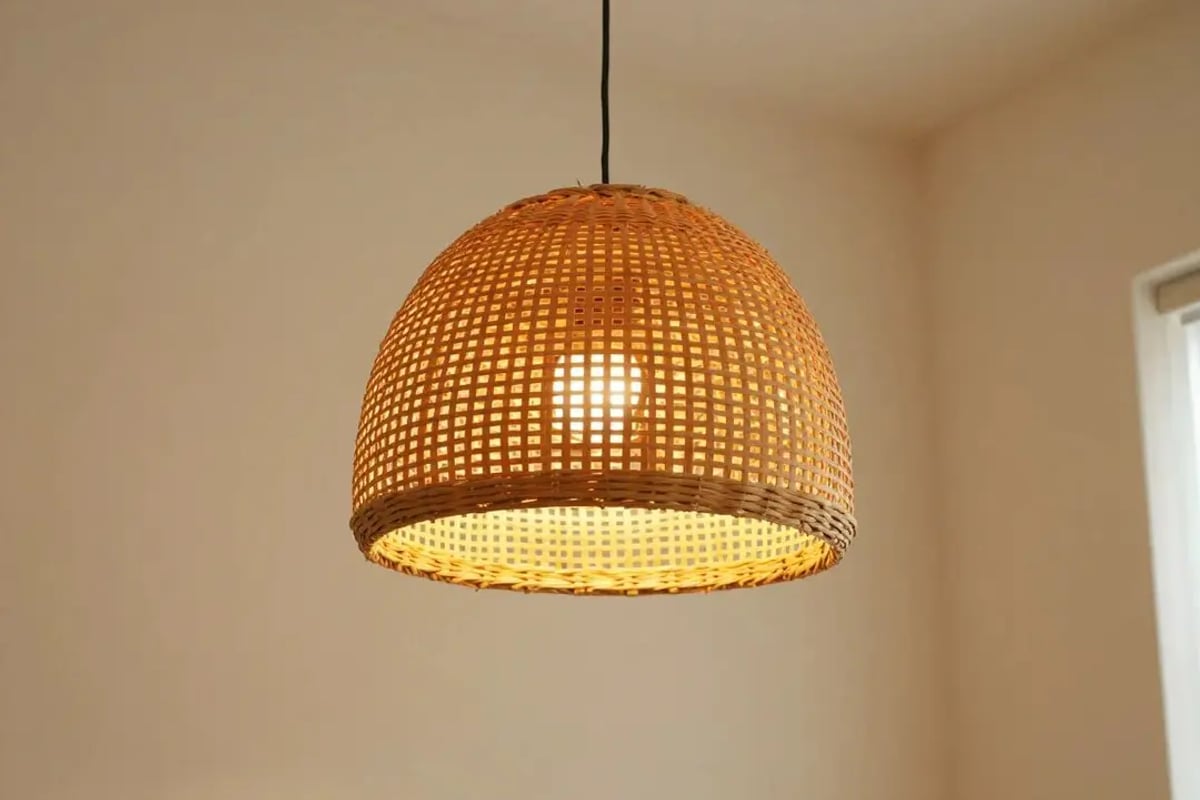
Rattan-Java specializes in handwoven designs that showcase traditional Javanese techniques. Their mirror frames collection demonstrates how artisan craftsmanship can be adapted to modern aesthetic preferences while maintaining cultural authenticity. These pieces pair beautifully with other rattan homeware like their lamp shades for cohesive interior collections.
Customization Options
Most established manufacturers accommodate product customization to differentiate your inventory. Common modifications include:
- Rattan tone – Natural, honey, whitewashed, painted, or dual-tone
- Weaving pattern – Open weave, tight basketweave, herringbone, or mixed techniques
- Frame depth – Shallow (2-3cm) for modern looks, deep (5-8cm) for dimensional impact
- Hardware – D-rings, sawtooth hangers, or French cleats
- Mirror specifications – Standard glass, beveled edges, or antiqued finish
Minimum order quantities for custom designs typically range from 100-300 pieces, depending on complexity.
Pricing Structure and Order Economics
Understanding the cost components when sourcing from a rattan mirror manufacturer Indonesia enables better negotiation and margin planning.
Base manufacturing costs (per piece, FOB) for standard designs:
- Small mirrors (40-50cm): $8-15
- Medium mirrors (60-70cm): $15-28
- Large mirrors (80-100cm): $28-50
- Custom/complex designs: 20-40% premium
Additional costs include fumigation certificates ($150-300 per container), quality inspection (optional, $200-400), and freight ($1,800-3,200 to major ports depending on season and routing).
Payment Terms and Trade Finance
Standard payment structures with Indonesian manufacturers follow these patterns:
- 30% deposit upon order confirmation
- 70% balance before shipment (against pre-shipment inspection photos)
- Letter of Credit accepted by larger manufacturers for first-time buyers
- Trade assurance platforms (Alibaba, IndiaMART) provide escrow options
Research on Indonesian rattan supply chains indicates that payment reliability significantly affects production priority and quality attention, making transparent financial relationships essential.
Quality Assurance and Pre-Shipment Inspection
Preventing defects requires structured quality protocols. Smart buyers implement these verification steps:
Factory Audit Checklist
Before committing to volume orders, assess your rattan mirror manufacturer Indonesia against these criteria:
Production capacity: Can they handle your order volume within required timeframes?
Material sourcing: Do they source from sustainably managed forests with proper documentation?
Worker conditions: Are artisans fairly compensated with safe working environments?
Export experience: How many containers do they ship monthly to your target region?
Third-party inspection services (SGS, Bureau Veritas, QIMA) cost $250-400 per visit but provide independent verification of production quality and shipment readiness.
Export Logistics and Documentation
Indonesian rattan furniture exports require specific documentation to clear customs smoothly. The World Bank's analysis of Indonesia's rattan sector highlights how policy evolution has streamlined export procedures since 2012.
Required export documents:
- Commercial invoice
- Packing list with HS codes (typically 9403.89 or 4602.19)
- Bill of lading (ocean) or airway bill
- Fumigation certificate (ISPM-15 compliant)
- SVLK or FLEGT license (for EU destinations)
- Certificate of origin (Form E for ASEAN destinations, preferential rates)
Lead times from production completion to destination port typically span 6-8 weeks for ocean freight to North America, 4-5 weeks to Europe, and 2-3 weeks to Australia.
Market Trends Shaping Rattan Mirror Demand
Current design trends favor natural materials and artisan narratives. Recent market reports show sustained growth in rattan homeware imports across developed markets, driven by sustainability preferences and maximalist interior styles.
2026 trend indicators:
- Oversized statement mirrors (90-120cm) for minimalist spaces
- Layered textures combining rattan with macramé, beads, or shells
- Neutral tones dominating (natural, white, light grey)
- Multi-functional designs (mirrors with integrated shelving)
Manufacturers who can interpret these trends while maintaining production efficiency win long-term partnerships. The rattan furniture sector in regions like Cirebon has adapted quickly to changing global tastes while preserving traditional weaving methods.
Building Long-Term Manufacturer Relationships
Successful sourcing from a rattan mirror manufacturer Indonesia extends beyond transactional orders. Consider these relationship-building strategies:
Consistent communication: Weekly production updates during active orders prevent surprises.
Forecast sharing: Providing 3-6 month demand projections helps manufacturers plan capacity and material inventory.
Fair pricing: Squeezing margins excessively leads to quality shortcuts and reduced priority.
Feedback loops: Sharing retail performance data and customer comments enables collaborative product development.
Cultural respect: Understanding Indonesian business culture, religious holidays, and communication styles smooths collaboration. Ramadan affects production schedules, while Chinese New Year impacts material supply chains.
Many buyers establish exclusive relationships or semi-exclusive designs to differentiate their market position while guaranteeing manufacturers stable order volumes.
Indonesian rattan mirror manufacturers offer unmatched combination of artisan quality, sustainable materials, and competitive pricing for global buyers. By understanding regional production clusters, quality standards, and export logistics, businesses can source distinctive products that align with contemporary design trends and consumer values. Rattan-Java brings generations of Javanese weaving expertise to every handcrafted mirror frame, helping importers and retailers deliver authentic, sustainable homeware to discerning customers worldwide.
Looking for handwoven rattan furniture?
Explore our collections or reach out for wholesale catalog and pricing details.
Continue Reading