 Rattan-Java
Journal
Wholesale Rattan Mirrors: A Complete Buyer's Guide
September 24, 2026 · 5 min read

Rattan mirrors have emerged as one of the most sought-after home décor items in retail markets worldwide, combining natural aesthetics with functional design. For buyers seeking to stock their showrooms or online stores, understanding the wholesale rattan mirrors market is essential to making informed sourcing decisions. This guide explores the key factors that influence quality, pricing, and supplier relationships in the rattan mirror industry.
Understanding the Wholesale Rattan Mirror Market
The global demand for rattan furniture and accessories continues to grow as consumers embrace sustainable, natural materials in their homes. According to industry analysis, the rattan furniture market is experiencing steady expansion, with mirrors representing a significant segment of decorative accessories.
Key market drivers include:
- Rising consumer interest in biophilic design and natural materials
- Growing awareness of sustainable sourcing practices
- Social media influence showcasing bohemian and coastal interior styles
- Competitive pricing compared to solid wood alternatives
Wholesale buyers benefit from understanding these trends when planning inventory. The interior design landscape in 2026 continues to favor organic textures and handcrafted pieces, making rattan mirrors an excellent addition to product lines targeting contemporary consumers.
Primary Production Regions
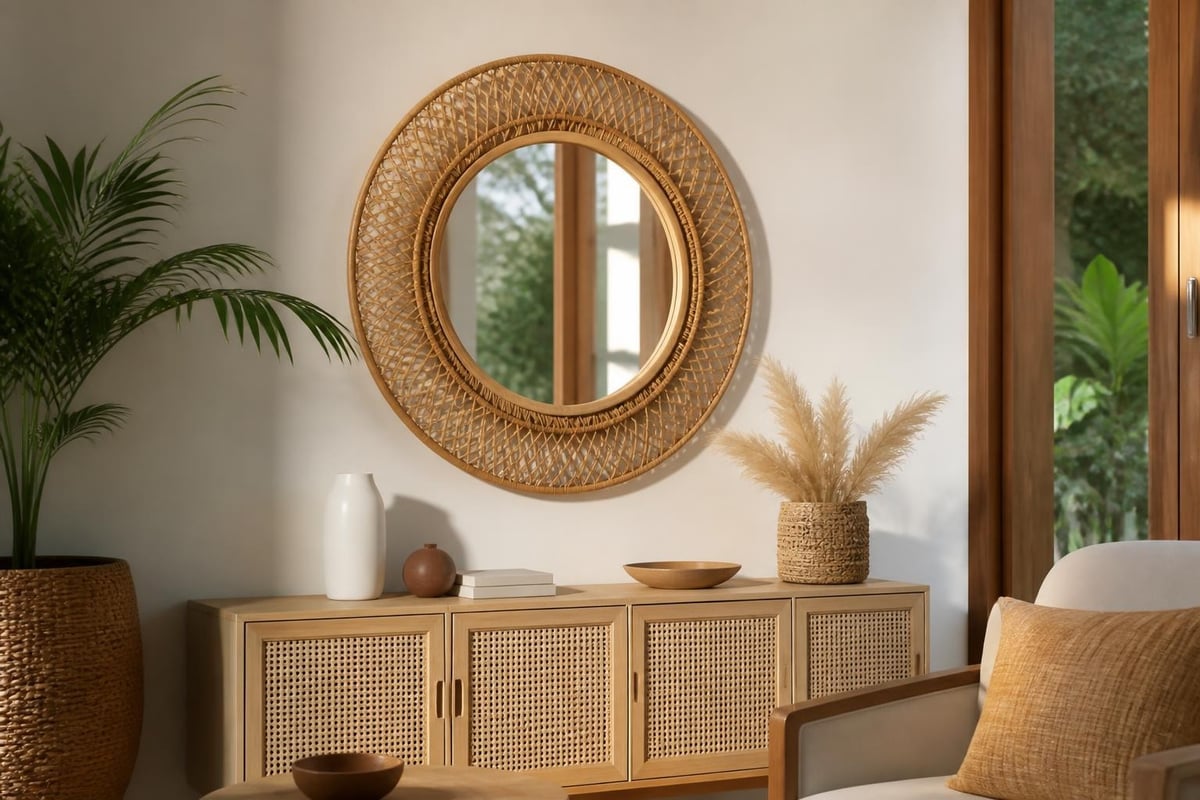
Indonesia, particularly Java, remains the dominant producer of high-quality rattan mirrors. The island's centuries-old tradition of rattan craftsmanship ensures consistent artisan skills and sustainable harvesting practices. The WWF global rattan trade report highlights Indonesia's role as a major supplier, emphasizing the importance of responsible sourcing.
Other production regions include the Philippines, Malaysia, and Vietnam, though each area offers distinct weaving styles and quality levels. Java-based manufacturers typically provide the most competitive combination of craftsmanship and scalability for wholesale orders.
Quality Standards and Specifications
When evaluating wholesale rattan mirrors, buyers should establish clear quality criteria to ensure consistent product standards across shipments.
Material Grade and Selection
Premium rattan mirrors use mature rattan canes that have been properly dried and treated. The ISO 23067:2022 grading system provides an international framework for assessing rattan quality, covering parameters like diameter uniformity, color consistency, and structural integrity.
| Quality Factor | Premium Grade | Standard Grade |
|---|---|---|
| Cane diameter variation | ±1mm | ±3mm |
| Color uniformity | 95%+ match | 80%+ match |
| Weave tightness | Minimal gaps | Some visible gaps |
| Finish quality | Smooth, consistent | Minor irregularities |
Construction Techniques
Handwoven wholesale rattan mirrors should demonstrate tight, even weaving patterns with secure attachment points. Examine the backing structure, mirror mounting system, and hanging hardware for durability. Quality manufacturers reinforce stress points and use corrosion-resistant fasteners suitable for various humidity conditions.
Essential construction checkpoints:
- Frame stability and warp resistance
- Mirror adhesive quality and coverage
- Backing material moisture resistance
- Hardware weight capacity and finish
- Edge finishing and smoothness
Pricing Strategies and Order Volumes
Wholesale rattan mirrors pricing varies significantly based on size, complexity, and order quantity. Understanding pricing tiers helps buyers negotiate effectively and plan budgets.

Volume-Based Pricing
Most manufacturers offer tiered pricing structures that reward larger orders. Minimum order quantities (MOQ) typically range from 50 to 200 pieces per design, with unit costs decreasing as volumes increase.
| Order Quantity | Price Range (per unit) | Lead Time |
|---|---|---|
| 50-100 units | $25-$45 | 6-8 weeks |
| 101-500 units | $20-$35 | 8-10 weeks |
| 500+ units | $15-$28 | 10-12 weeks |
These figures represent typical market ranges for medium-sized decorative mirrors (24-36 inches diameter). Custom designs, specialty finishes, or intricate patterns command premium pricing.
Design Complexity Impact
Simple circular or oval frames cost less than elaborate sunburst, peacock, or geometric patterns. When sourcing wholesale rattan mirrors, balance aesthetic appeal against production costs to maintain healthy retail margins. Standard designs from established collections typically offer better pricing than fully custom specifications.
Logistics and Import Considerations
Successfully importing wholesale rattan mirrors requires attention to classification, duties, and shipping logistics. Rattan products fall under specific Harmonized Tariff Schedule (HTS) codes that determine applicable duties when entering markets like the United States.
Buyers should consult the U.S. Tariff Schedule and review CBP rulings to understand current classification requirements. Working with experienced freight forwarders familiar with rattan products streamlines customs clearance and reduces delays.
Shipping best practices:
- Use reinforced packaging with corner protection
- Consider consolidation for mixed container loads
- Verify insurance coverage for fragile items
- Plan for seasonal shipping delays during peak periods
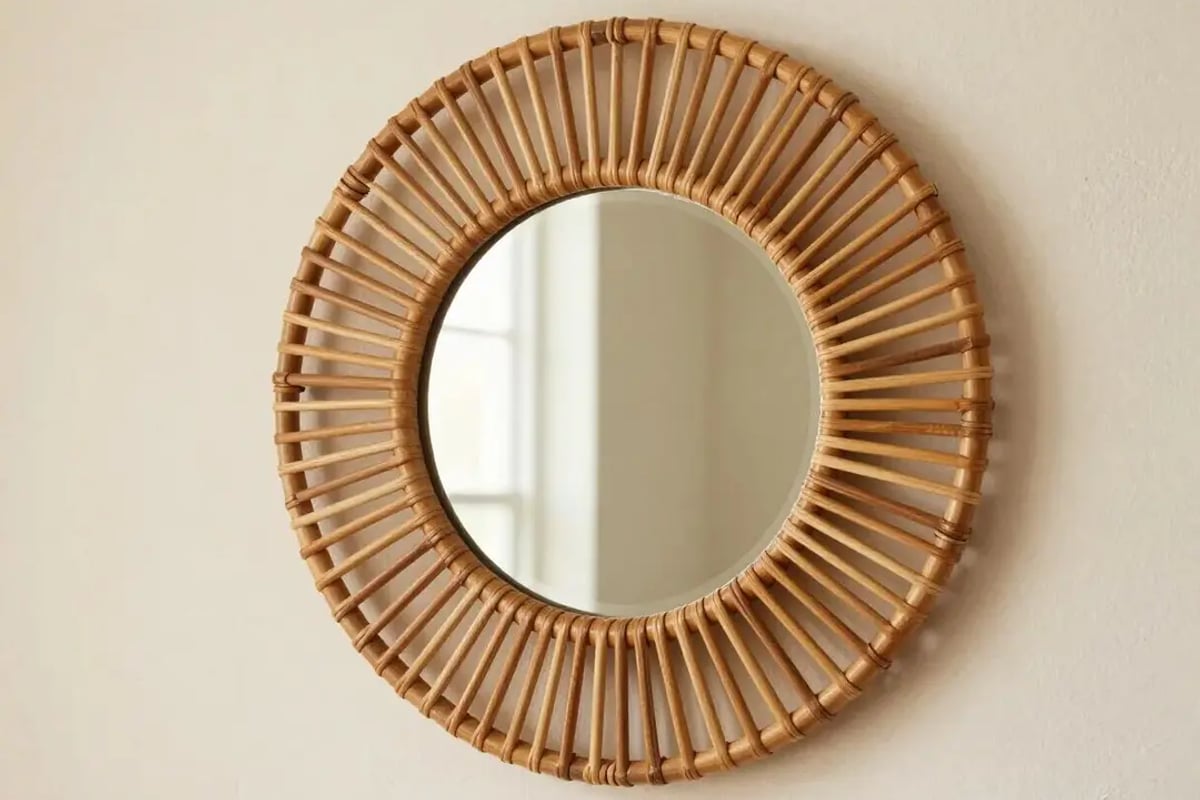
Rattan-Java's mirror frame collection showcases the range of designs available for wholesale buyers, from classic round shapes to contemporary geometric styles. Their expertise in export logistics ensures that wholesale rattan mirrors arrive safely at destinations worldwide.
Care Instructions and Retail Value-Add
Providing customers with proper care guidance increases product longevity and reduces returns. The Victoria & Albert Museum's conservation resources offer museum-grade insights into preserving organic materials, principles that translate well to consumer care instructions.
Maintenance Guidelines for End Users
Rattan mirrors thrive in stable environments with moderate humidity. Direct sunlight exposure can cause fading and brittleness over time, while excessive moisture may promote mold growth. Recommend placement away from windows and bathrooms, or treat mirrors with appropriate sealants for humid environments.
Care instruction essentials:
- Dust weekly with soft, dry cloths
- Avoid harsh chemical cleaners
- Maintain 40-60% relative humidity
- Keep away from direct heat sources
- Inspect hanging hardware annually
Smart retailers include printed care cards with each mirror, adding value and building customer trust. This small touch differentiates your brand and supports customer satisfaction.
Supplier Evaluation and Partnership
Establishing reliable supplier relationships forms the foundation of successful wholesale rattan mirror operations. Visit production facilities when possible, either in person or through virtual tours, to assess capabilities and quality control processes.
Key Supplier Criteria
| Evaluation Area | What to Assess |
|---|---|
| Production capacity | Can they scale with your growth? |
| Quality systems | ISO compliance, inspection protocols |
| Communication | Response time, English proficiency |
| Flexibility | Custom design capabilities, MOQ negotiation |
| Sustainability | Harvesting practices, artisan welfare |
Java-based exporters like those around Cirebon combine traditional craftsmanship with modern export infrastructure, offering an ideal balance for international buyers. These established manufacturers understand global quality expectations while maintaining competitive pricing through efficient production methods.
Sourcing wholesale rattan mirrors successfully requires attention to quality standards, pricing dynamics, and supplier relationships. By understanding market trends, import regulations, and care requirements, retailers can build profitable product lines that meet growing consumer demand for sustainable, handcrafted home décor. Rattan-Java brings generations of Javanese artisan expertise to the global market, offering wholesale buyers reliable access to premium rattan mirrors crafted with traditional techniques and modern quality standards.
Looking for handwoven rattan furniture?
Explore our collections or reach out for wholesale catalog and pricing details.
Continue Reading